
Scrophularia macrophylla
Scrophularia macrophylla
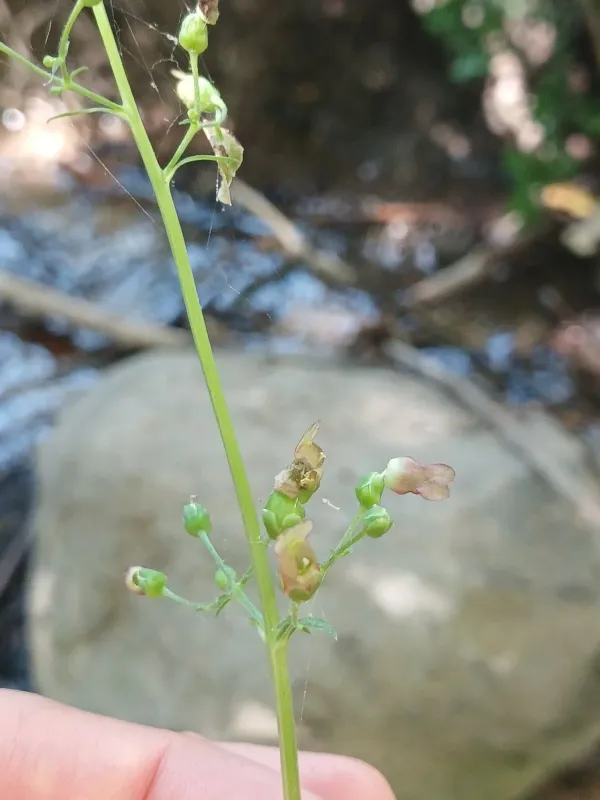
Description
Sowing dates
The planting of Scrophularia macrophylla is typically carried out either in late autumn or early spring, following a brief period of cold stratification to ensure uniform seed germination.
For greenhouse production, seeds are sown in seedling trays during early spring, requiring consistent moisture and temperatures around 15–20°C for optimal emergence.
Transplanting into the field is recommended once the danger of severe frost has passed and the root systems are well-established in the nursery stage.
Direct sowing in the soil requires a fine, weed-free seedbed, with seeds placed at a shallow depth of approximately 1 centimeter to promote rapid seedling development.
Spacing should be managed to ensure adequate ventilation, typically involving rows 50–60 centimeters apart to prevent the build-up of humidity around the dense foliage.
Growing requirements
Belonging to the Scrophulariaceae family, this species thrives in fertile, well-draining loamy soils enriched with sufficient organic matter to sustain vigorous plant growth.
The crop shows a preference for partial shade or filtered sunlight, making it suitable for areas where more sun-sensitive medicinal herbs might struggle during summer heat.
Consistent soil moisture is essential for maximum yields, requiring an irrigation strategy that prevents both drought stress and waterlogging of the sensitive root zone.
The plant is highly adaptable to temperate climate zones, demonstrating cold tolerance during the dormant season, provided the ground does not suffer from extreme freeze-thaw cycles.
Soil pH should ideally range from slightly acidic to neutral; testing and amending the soil prior to planting is a critical step in establishing a productive crop field.
Main diseases and pests
Pathogenic fungi represent the primary threat to this culture, often manifesting as root rots or leaf spots during periods of excessive rainfall or poor air circulation.
Pest pressure from aphids and specific leaf-feeding insects requires proactive management, including regular scouting and biological control methods to minimize damage.
To reduce the risk of disease transmission, it is vital to practice proper crop rotation and remove all plant debris from the field following the harvest season.
Weed management in the early stages of growth is critical to avoid competition for nutrients and water, which could significantly stunt the development of young plants.
Strategic spacing and the removal of infected plants are essential cultural practices to maintain a healthy stand and ensure the longevity of the perennial roots.
Harvesting
Harvesting for medicinal purposes occurs during the peak flowering stage, which ensures the highest concentration of phytochemicals in the harvested plant materials.
The above-ground biomass is cut using sanitized tools, taking care to avoid damaging the base of the plant to support possible regrowth in subsequent seasons.
Post-harvest handling involves spreading the material thinly in a well-ventilated, shaded area to allow for natural moisture reduction without degradation of active compounds.
Mechanical drying can be utilized if the environmental humidity is too high, provided that temperature limits are strictly observed to preserve the product's chemical profile.
Once dry, the material should be processed and stored in cool, dark, and dry conditions to ensure long-term stability and to prevent contamination by environmental factors.