
Scrophularia hirta
Scrophularia hirta
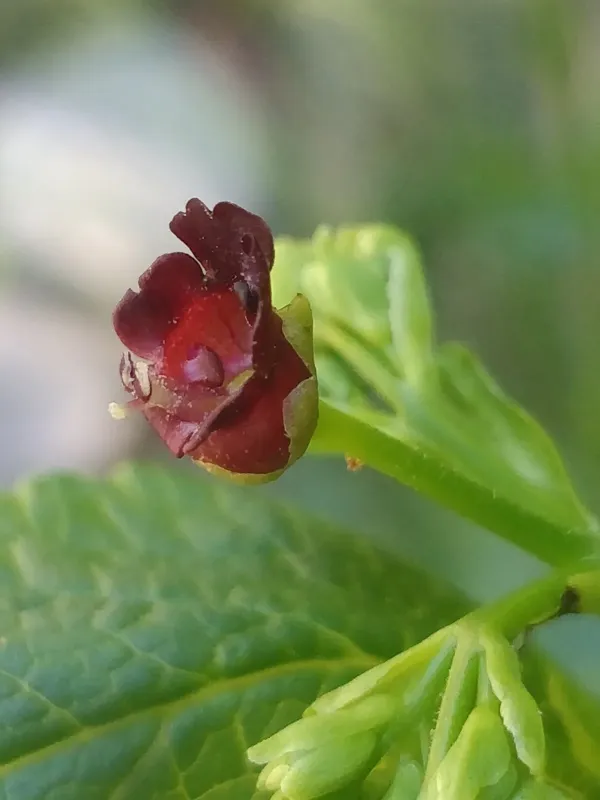
Description
Growing requirements
Scrophularia hirta is a perennial herbaceous plant belonging to the Scrophulariaceae family. This species is native to Mediterranean habitats and is adapted to environments characterized by rocky substrates and moderate climatic conditions.
The successful cultivation of this plant requires well-drained, fertile loamy soils with a neutral or slightly alkaline pH. It is crucial to choose planting sites that receive ample sunlight throughout the day to ensure optimal photosynthesis and biomass development.
Temperature requirements are moderate, as the plant exhibits resilience to short-term dry spells. However, consistent irrigation during the peak growing season is recommended to maintain the quality and volume of the vegetative parts used in various applications.
Agricultural management involves regular soil tillage and organic fertilization to maintain soil structure. Implementing proper spatial spacing between individual plants is necessary to promote adequate air circulation and prevent moisture accumulation around the base.
Botanical identification is aided by its characteristic hirsute stems and leaf structures. The root system requires loose soil conditions to expand effectively, which is facilitated by proper pre-planting soil preparation techniques.
Main diseases and pests
The primary threats to this culture involve fungal infections, such as root rot and powdery mildew, which thrive in conditions with stagnant water or poor soil drainage.
Insect pests including aphids and leaf-feeding larvae pose significant risks during the vegetative phase, potentially affecting both the yield and the aesthetic quality of the herbs.
Crop rotation practices should be strictly followed to minimize the risk of soil-borne diseases. Integrating biological control methods helps in managing pest populations without chemical residues.
Sanitation of the field, including the removal of diseased plant residues at the end of the season, is essential for reducing the inoculum pressure for the next growing cycle.
Ongoing monitoring of plant health, focusing on the undersides of leaves and root collar health, is an indispensable part of the overall agronomic strategy for this species.