
Figwort
Scrophularia heterophylla
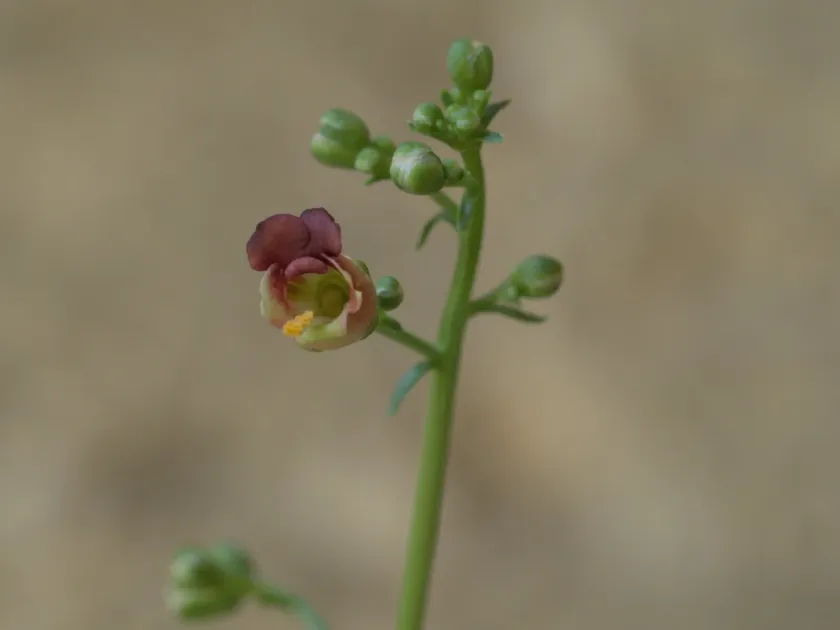
Description
Growing requirements
Figwort (Scrophularia heterophylla) belongs to the Scrophulariaceae family. It is a perennial herbaceous plant that naturally inhabits temperate climate regions, favoring sunny or partially shaded locations with moderate moisture levels.
For successful cultivation, the crop requires well-drained, fertile soils with a neutral or slightly acidic pH. The plant does not tolerate waterlogging, so in areas with high groundwater levels, drainage systems or raised beds are necessary for healthy development.
In terms of agricultural practice, figwort is valued for its resilience to short-term droughts. However, to obtain high-quality raw material during the active growing season, consistent watering is essential, particularly during the vegetative mass formation stage.
The crop is photophilous (light-loving), although in very hot climates, light shading promotes the accumulation of biologically active compounds within the leaves and stems. The plant's hardiness allows it to be grown in many regions without additional winter protection.
The soil substrate should be rich in organic matter. Incorporating compost or well-rotted manure as a base fertilizer before planting is highly recommended to provide the plant with necessary nutrients throughout the entire growing season.
Main diseases and pests
The primary threats to figwort are fungal diseases that develop under conditions of excessive air and soil moisture. Common issues include powdery mildew and various types of root rot, which typically attack the root crown.
Among pests, aphids and spider mites are the most dangerous, as they extract sap from young leaves and significantly slow down the plant's growth. Larvae of certain Lepidoptera species that feed on leaf tissue may also cause considerable damage.
Disease prevention relies on maintaining optimal planting density to ensure proper air circulation among the bushes. It is crucial to perform timely weeding, as weeds often act as reservoirs for various infections.
When pests are detected, it is recommended to use biological plant protection products or selective insecticides that are safe for beneficial pollinating insects attracted by the figwort flowers.
It is important to monitor the condition of the root system when preparing the soil for planting. Disinfecting the planting material and using high-quality seeds significantly reduces the risk of spreading soil-borne pathogens.