
Scrophularia grandiflora
Scrophularia grandiflora
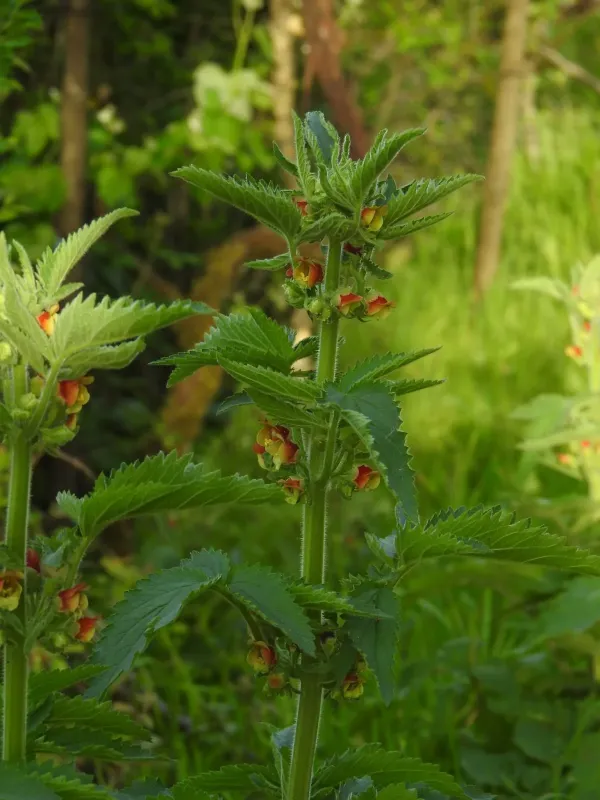
Description
Sowing dates
The sowing of Scrophularia grandiflora is typically carried out in the spring when soil temperatures reach 10-12 degrees Celsius. Seeds require a stratification period of 30-40 days under cool conditions to ensure high and uniform germination rates.
Due to the small size of the seeds, they should be sown shallowly, covering them with a very thin layer of soil or sand. Using protective covers or row covers during the early stages can significantly improve emergence and provide initial protection against cold weather.
For large-scale cultivation, spacing between rows is usually maintained at 45-60 cm. This spacing is optimal for ensuring sufficient light penetration and allowing for mechanical weeding and care of the crop throughout the growing season.
Transplanting seedlings started in containers during late winter is another common method. This technique ensures that plants are well-established by the time they are moved to the field, reducing mortality rates during the sensitive early growth phase.
Moisture management is crucial during the first weeks after sowing or transplanting. The soil surface must remain consistently moist to prevent the drying out of seeds or young root systems, which can lead to significant crop failure.
Growing requirements
Scrophularia grandiflora thrives best in sunny areas but is also capable of adapting to partial shade. The crop requires fertile, well-draining loamy soils rich in organic matter to achieve maximum productivity and vegetative growth.
The plant has moderate to high water requirements, especially during the active growth phase. While it prefers consistent moisture, it is sensitive to waterlogging, so proper field drainage is an essential requirement for healthy root development.
Fertilization should include a balanced application of nitrogen, phosphorus, and potassium. Nitrogen is primarily beneficial in early spring to stimulate leaf growth, while potassium and phosphorus are essential later to support healthy floral development.
The ideal pH range for Scrophularia is between 6.0 and 7.5. Periodic soil testing is recommended to ensure the nutrient levels and acidity are maintained within this optimal range for the species.
Soil structure can be improved through the annual application of well-rotted manure or compost. This practice enhances soil aeration and nutrient retention, which are vital for the long-term health of this perennial crop.
Main diseases and pests
Common diseases affecting this crop include fungal infections such as powdery mildew and root rot. Good air circulation between plants is the most effective preventative measure to stop the spread of fungal spores in dense plantings.
Pests, particularly aphids and various leaf-eating beetles, can cause significant damage to foliage. Early monitoring allows for the effective use of organic control methods, which helps maintain the biological balance within the agricultural field.
Crop rotation is fundamental to successful management. It is recommended to avoid planting Scrophularia grandiflora on the same plot for more than 4-5 years to prevent the build-up of soil-borne pathogens and specific pests.
In cases of infection, prompt removal of diseased plant parts and careful cleaning of tools are necessary steps. If chemical control is required, fungicides should be chosen based on the specific type of pathogen identified.
Robust plant health is the best defense against pests and diseases. Providing sufficient space, balanced nutrients, and appropriate water management will keep the plants resilient and capable of resisting typical environmental stresses.
Harvesting
The harvest of Scrophularia grandiflora is typically timed with the peak of the flowering phase. This is when the concentration of beneficial secondary metabolites in the aerial parts is at its highest level for harvesting.
Plants are cut at 10-15 cm above the ground level using sharp, clean tools. Harvesting must be conducted in dry, sunny conditions after the morning dew has completely evaporated to prevent moisture-related rot during post-harvest storage.
The collected biomass should be dried in well-ventilated areas or specialized drying chambers at temperatures not exceeding 40 degrees Celsius. This controlled environment ensures that the medicinal properties are preserved without degradation.
Productivity levels depend heavily on soil quality and agricultural care provided. After the harvest, removing all crop residue from the field is vital to prepare the site for winter and reduce the overwintering of pathogens.
As a perennial, the crop may benefit from periodic rejuvenation of the root system. Dividing the clumps every few years can refresh the plant stock, ensuring continued high yields and vigor for subsequent production seasons.