
Shrubby figwort
Scrophularia frutescens
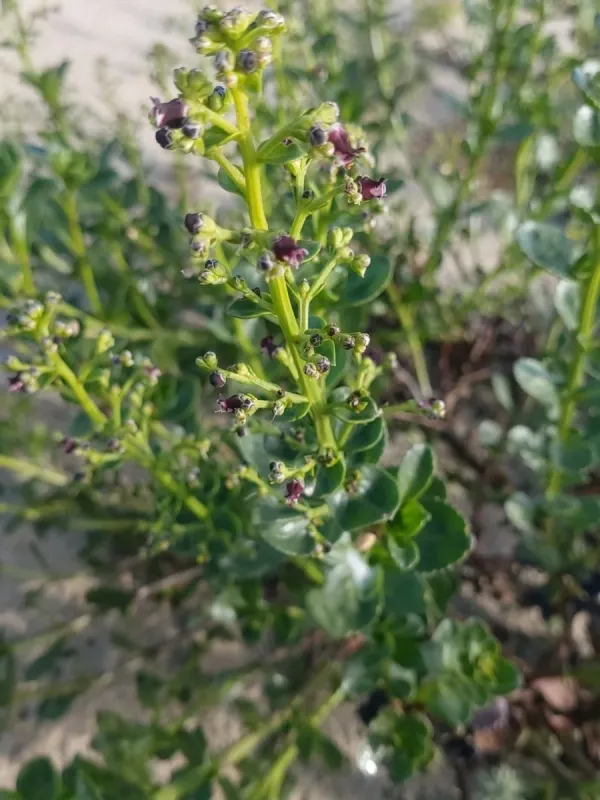
Description
Growing requirements
Shrubby figwort (Scrophularia frutescens) is a perennial subshrub belonging to the Scrophulariaceae family. Native to coastal regions, this species has evolved to thrive in challenging maritime environments, exhibiting high tolerance for salt spray and exposure to coastal winds.
The plant requires full sun exposure to maintain its compact growth form and promote healthy foliage development. In cultivation, it serves as both a botanical specimen and a resilient addition to drought-tolerant gardens, provided the site mimics its natural, well-drained habitat.
Soil requirements are relatively specific: the plant demands sandy or rocky soil with excellent drainage. Heavy soils should be avoided or heavily amended with grit and organic matter to prevent waterlogging, which is detrimental to the plant's fibrous root system.
Climatic adaptability is one of its core strengths, yet it performs best in regions with mild winters and warm summers. While it can withstand periods of drought once established, supplementary irrigation is recommended during the peak growing season to ensure optimal plant size and vitality.
Cultivation practices focus on site selection and maintenance of soil structure. Minimal pruning is required, generally limited to the removal of deadwood after the frost season to stimulate vigorous new growth in the spring and to ensure sufficient light penetration into the center of the shrub.
Main diseases and pests
The primary threats to Scrophularia frutescens are moisture-related fungal diseases, particularly when planted in poorly draining soils or areas with poor air circulation. Powdery mildew is a common concern during humid, stagnant weather conditions.
Root rot is the most serious pathogen risk, often triggered by overwatering or soil compaction. Symptoms typically include sudden wilting and discoloration at the base of the stem, necessitating immediate improvement of drainage and potentially the application of systemic fungicides.
Insect pests, notably aphids and spider mites, can cause damage to the tender apical growth. These pests extract plant sap, leading to stunted growth, curled leaves, and occasionally serving as vectors for viral infections that can affect the plant's overall health.
Integrated Pest Management (IPM) strategies are recommended to mitigate damage. This includes physical removal, the encouragement of beneficial predator insects, and the judicious use of insecticidal soaps, ensuring the ecological balance within the planting area is maintained.
Proactive care involves late-autumn cleanup, where fallen debris and spent foliage are removed from the base of the plant. This simple sanitation step significantly reduces the overwintering capacity of pests and fungal spores, thereby promoting a healthier start for the following year.