
Scrophularia bourgaeana
Scrophularia bourgaeana
Description
Sowing dates
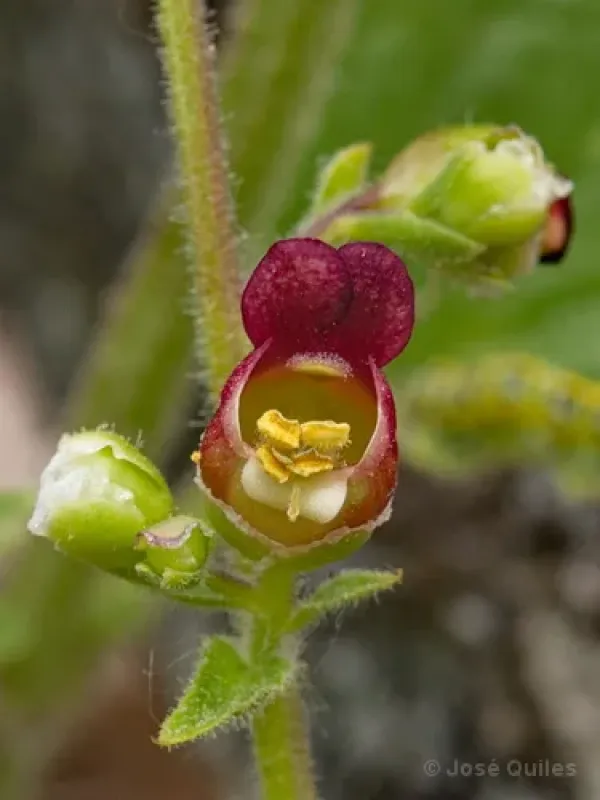
Scrophularia bourgaeana is a perennial herbaceous plant from the Scrophulariaceae family. Known for its botanical interest, it is occasionally cultivated as a specialized crop in regions matching its Mediterranean ecological niche.
Sowing should be performed in early spring or late autumn to allow for natural cold stratification. Seeds are tiny and should be sown onto the surface of the soil, pressed lightly, and barely covered with fine substrate to facilitate germination.
The germination period usually spans several weeks depending on the temperature, which should ideally stay between 15°C and 20°C. Consistency in soil moisture is critical during this period to ensure even emergence of seedlings.
Once seedlings develop their first true leaves, thinning is recommended to provide adequate space for robust root system formation. Proper spacing helps in preventing early competition among plants in the nursery bed.
For field cultivation, planting in rows with sufficient inter-row space is preferred. This setup supports future weeding operations and ensures that the plants receive adequate airflow throughout their growth cycle.
Growing requirements
The plant thrives in well-drained, sunny locations. It prefers fertile, loamy soils that hold moisture yet allow excess water to drain quickly, preventing root rot which is the most common issue for this species.
Soil pH should ideally be neutral or slightly alkaline. Incorporating organic amendments such as compost or well-rotted manure into the topsoil prior to planting enhances soil structure and nutrient availability.
While Scrophularia bourgaeana shows reasonable tolerance to drought, irrigation is highly recommended during the peak of the growing season to maximize vegetative growth and overall yield quality.
Regular maintenance including weeding is essential, especially during the first months of the plant's life. Removing competing weeds prevents the depletion of soil nutrients and sunlight, which the plant needs for vigorous development.
The site selection should avoid areas with heavy clay or high water tables that could cause prolonged soil saturation during winter months, as the crown of the plant is sensitive to excessive moisture.
Main diseases and pests
Fungal diseases, including powdery mildew and various root rots, are the primary threats to Scrophularia bourgaeana. These issues are almost always exacerbated by poor soil drainage or inadequate air circulation between dense plants.
Insect pests such as aphids can occasionally infest the flower spikes and young shoots. These pests can stunt growth and cause leaf distortion if left unmanaged for extended periods of time.
To minimize damage, monitoring should be proactive. If infestation levels exceed economic thresholds, appropriate biological control agents or targeted, low-toxicity insecticides should be applied.
Good agricultural practices like crop rotation and maintaining proper plant spacing are the best defense mechanisms. Ensuring that the foliage can dry quickly after rainfall or heavy dew significantly reduces fungal risk.
In cases of severe infestation, affected plant parts should be pruned and removed from the field to prevent the spread of pathogens, ensuring that the health of the remaining crop is maintained.