
Water figwort
Scrophularia auriculata
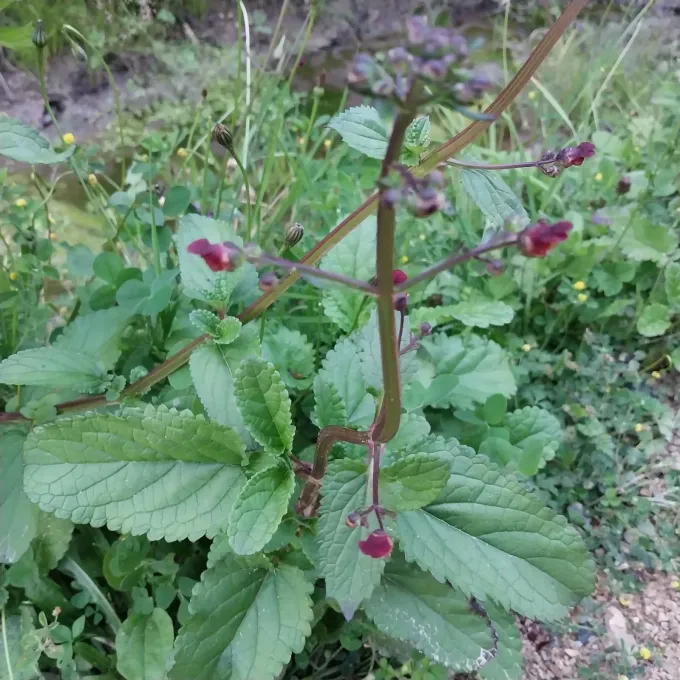
Description
Growing requirements
Water figwort (Scrophularia auriculata) is a robust perennial herb belonging to the Scrophulariaceae family. It is typically found in wetland habitats, riverbanks, and marshy meadows, showcasing a preference for high soil moisture levels.
For commercial cultivation, the soil should be rich in organic matter and possess a high water-retention capacity. Although the plant thrives in wet conditions, it requires sufficient aeration to prevent root suffocation in heavy clay soils.
The plant demonstrates a strong adaptation to maritime and temperate climates. It requires relatively mild temperatures throughout the growing season and suffers significantly if exposed to severe desiccation or prolonged high-heat stress.
Agrotechnical practices involve careful management of water levels, often utilizing irrigation systems that maintain a consistent moist zone. Proper spacing is essential to ensure adequate airflow, which is critical for preventing fungal outbreaks in the dense foliage.
As a source of bioactive compounds, the biomass of Scrophularia auriculata is harvested for its phytochemical properties. Providing adequate nutrition through organic fertilization helps ensure consistent yields of high-quality plant material.
Main diseases and pests
The most common disease affecting water figwort in humid conditions is powdery mildew. This fungal infection creates a white coating on leaves, drastically reducing the photosynthetic capacity and overall vigor of the plant.
Various leaf-mining insects and caterpillars pose a threat to the vegetative parts of the plant. If left untreated, these pests can skeletonize the leaves, leading to severe defoliation and yield loss.
Root rot is a persistent problem in poorly drained plots. The pathogen is primarily linked to stagnant water, which compromises the root system and can lead to the sudden collapse of entire plant clusters.
Aphids tend to colonize the developing flower spikes and tender stems, causing distortion and weakening the plant's structural integrity. Regular scouting is mandatory during the spring and early summer months.
Integrated Pest Management (IPM) strategies are highly recommended to balance the need for high-quality production with environmental safety. This includes mechanical weeding, biological control, and precise application of target-specific fungicides.