
Alpine figwort
Scrophularia alpestris
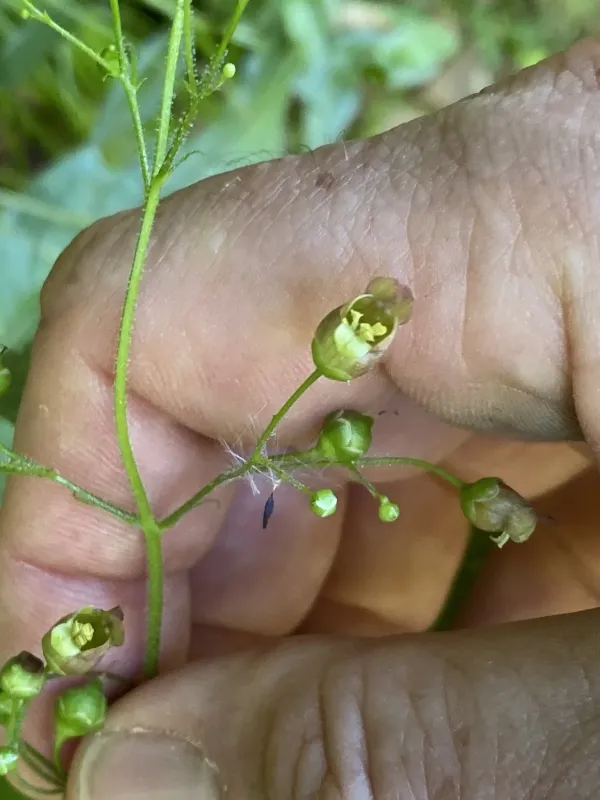
Description
Growing requirements
The Alpine figwort (Scrophularia alpestris) is a perennial herbaceous plant belonging to the Scrophulariaceae family. Originating from mountainous regions, it is specialized in surviving in cooler climates with well-drained, nutrient-rich alpine soils.
When cultivating this species, it is essential to prioritize soil drainage, as the roots are highly susceptible to rot in waterlogged conditions. A sandy or gravelly loam with a near-neutral pH is considered ideal for supporting its growth cycle.
Regarding climate, the plant thrives in areas with high light intensity but cool ambient temperatures. Intense, direct mid-summer heat can cause the plant to enter premature dormancy or suffer from leaf scorch, making semi-shaded locations preferable in lowland environments.
Agronomic management involves periodic weeding and the application of balanced organic fertilizers during the early spring growth phase. Maintaining soil structure through mulching can help mimic the plant's natural habitat conditions.
In terms of economic value, Scrophularia alpestris is primarily studied for its secondary metabolites, which are of interest in the development of botanical medicine and horticultural research.
Main diseases and pests
Fungal diseases are the main threat to the health of the Alpine figwort, particularly powdery mildew and root rot, which typically appear during periods of high humidity or poor air circulation.
Common insect pests include aphids and various leaf-eating insects. Monitoring and maintaining a clean planting site free of excessive debris are critical to preventing large-scale infestation and ensuring plant vigor.