
Schouwia thebaica
Schouwia thebaica
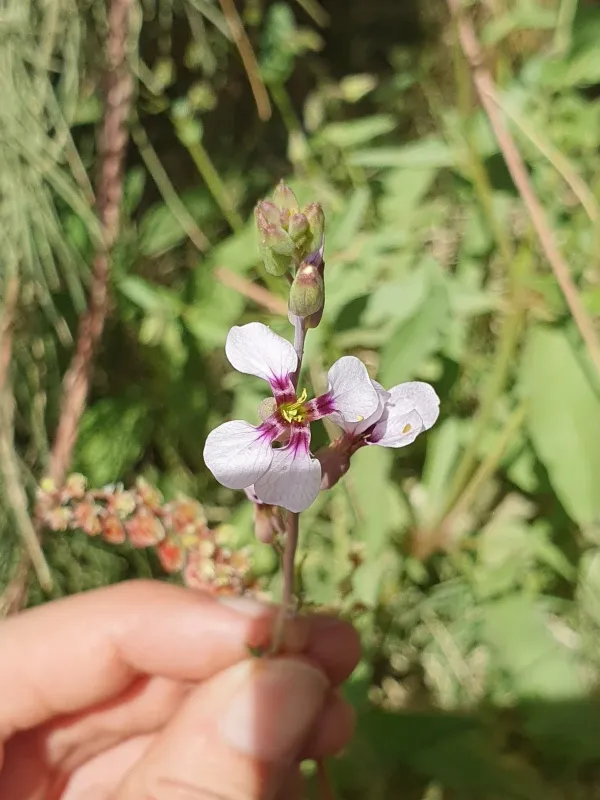
Description
Sowing dates
Schouwia thebaica is a distinct annual herbaceous plant belonging to the Brassicaceae family. It is native to the arid regions of North Africa and the Arabian Peninsula. Sowing typically takes place immediately following the onset of seasonal rains, which provide the necessary moisture to trigger germination in the desert soil.
In managed agricultural settings, seeds are sown at a shallow depth of 1–2 cm to ensure emergence. Given its rapid development cycle, the crop is well-suited for short growing windows, allowing it to produce significant biomass before the soil moisture is completely depleted by high temperatures.
Growing requirements
This plant thrives in harsh environmental conditions, including sandy, stony, and saline soils. It is highly adapted to intense solar radiation and extreme heat, which are characteristic of its native habitats. It requires minimal intervention and can survive periods of significant water stress.
Soil drainage is a vital requirement for the health of Schouwia thebaica. While it tolerates drought exceptionally well, waterlogging is detrimental to its root system. Ideally, it should be grown in open areas with high sunlight exposure to maximize the accumulation of nutrients and vegetative growth.
Yield
Schouwia thebaica is highly valued as a forage resource for camels, goats, and sheep. In its native range, it serves as a critical food source during the dry season. Under irrigated conditions, productivity increases significantly, allowing for multiple harvests and a more stable supply of fodder for livestock.
Main diseases and pests
While the plant is generally hardy, it can occasionally be susceptible to locust infestations, common in arid ecosystems. Disease prevalence is generally low due to the dry environment, but careful management of irrigation is necessary to prevent the development of root-borne fungi and decay.
Harvesting
Harvesting is usually conducted before the plant reaches full maturity and seed set, as this is when the foliage is most tender and nutrient-rich. Both stems and leaves are edible and possess mild flavors. Manual harvesting is the most common method, allowing for the selection of the healthiest plants.