
Schoutenia ovata
Schoutenia ovata
Description
Growing requirements
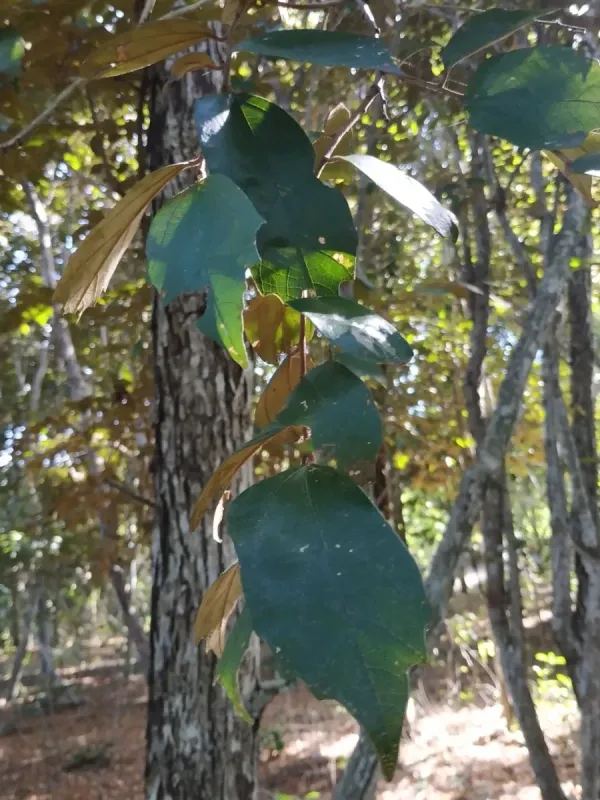
Schoutenia ovata is a perennial tree species belonging to the Malvaceae family. Recognized for its unique ovate-shaped leaves and dense canopy, it serves as an important woody plant within its native tropical ecosystems of Southeast Asia.
Geographically, the plant originates from the tropical monsoon regions of countries such as Thailand, Malaysia, and Indonesia. It thrives in humid environments where rainfall is abundant, and the temperature remains consistently high throughout the year without significant fluctuations.
Optimal growth requires well-drained, fertile soil, ideally with a slightly acidic to neutral pH level. The species is sensitive to waterlogging, necessitating careful site selection where soil drainage is efficient enough to prevent root rot and physiological stress.
Cultivation practices involve protecting young plants from intense direct sunlight and wind exposure. As the tree matures, it develops a more robust tolerance to environmental conditions, though consistent irrigation during the dry season remains essential for maintaining wood quality and foliage density.
Economically, Schoutenia ovata is primarily managed as a timber source. Its wood is highly valued in local carpentry and traditional construction due to its durability, density, and natural resistance to various forms of deterioration.
Main diseases and pests
The primary diseases affecting this crop are related to fungal pathogens, particularly those that target the root system in poorly drained soils. Preventive measures include soil aeration and ensuring that organic debris is cleared to prevent the buildup of fungal spores.
Regarding pest management, the species can be targeted by wood-boring insects and foliage-feeding caterpillars. It is recommended to perform periodic inspections and utilize biological control agents to manage populations before they impact the overall health and structural integrity of the timber.