
Schoenocaulon officinale
Schoenocaulon officinale
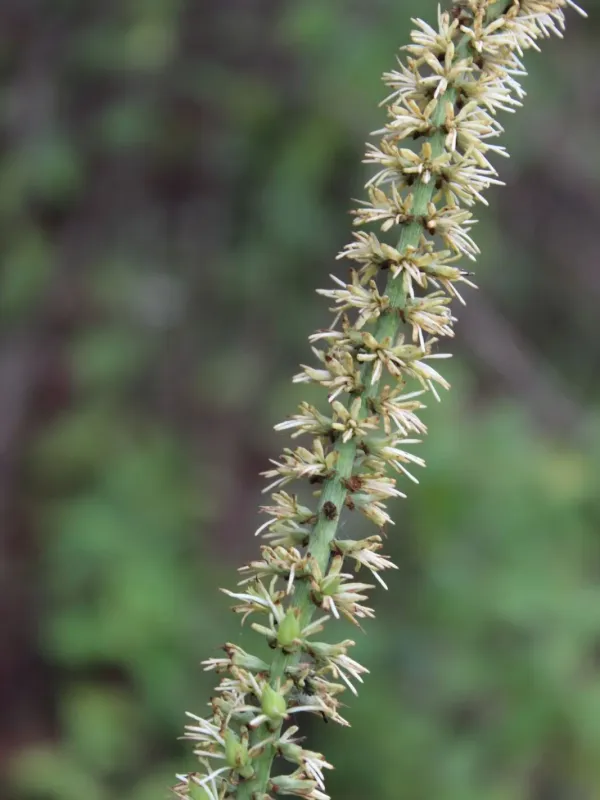
Description
Sowing dates
Schoenocaulon officinale, commonly known as cevadilla or sabadilla, is a bulbous plant species within the Melanthiaceae family. In its natural habitat, this perennial is primarily propagated via seeds, which require specific conditions to germinate successfully in loose, well-draining soil.
The optimal sowing time occurs after stable, warm temperatures have been established, as the seeds need a consistently warm growing medium. It is essential to maintain moderate moisture levels during the initial vegetation phase, as excessive water often leads to bulb rot and poor plant development.
Seeds should be sown at a shallow depth of approximately 1–2 centimeters, facilitating rapid sprout emergence. In commercial agriculture, nursery-grown seedlings are often preferred, with subsequent transplanting to the field once the plants are sufficiently robust.
As a plant with a lengthy biological development cycle, an early start during the spring season is critical. This ensures that the plant reaches technical maturity and produces viable, alkaloid-rich seeds before the onset of autumn cooling.
Given its tropical origin, strictly adhering to the sowing schedule is essential for aligning the plant's growth rhythm with the seasonal requirements necessary for the synthesis of active pharmaceutical ingredients within the seeds.
Growing requirements
Successful cultivation of Schoenocaulon officinale necessitates regions with warm, stable climates, free from severe temperature fluctuations or prolonged frosts. The plant thrives in locations with abundant sunlight, as high solar radiation is linked to increased alkaloid biosynthesis.
The soil should be light and well-draining, such as sandy loams or sandy soils. High soil acidity is generally unfavorable, making pre-planting liming a common requirement to balance pH levels for optimal nutrient uptake.
Wind protection is a key environmental requirement, as strong gusts can physically damage the tall flowering stalks. Furthermore, the species is sensitive to waterlogged conditions, requiring careful site selection to avoid lowland areas prone to flooding.
The crop responds well to moderate applications of organic fertilizers during the soil preparation stage. A balanced nutritional supply ensures the development of a healthy root system and vigorous foliage, which are essential for long-term plant health.
An ideal temperature range for active growth lies between +20 and +30 degrees Celsius. High humidity levels combined with intense heat can significantly increase the risk of fungal pathogens, necessitating good site ventilation.
Yield
The economic utility of Schoenocaulon officinale is derived from its seeds, which serve as the primary raw material for extracting alkaloids, most notably veratrine. Yield potential is highly dependent on effective agrotechnical management and favorable regional weather conditions.
Under optimal conditions, the plant produces tall racemes featuring numerous seed capsules. Each capsule contains many small seeds that must be harvested with precision to ensure maximum yield and chemical potency.
Yield figures vary based on planting density and the quality of care provided. Through intensive cultivation methods, farmers can achieve yields reaching 500–800 kilograms of dry seed material per hectare under managed conditions.
A significant challenge impacting harvest yield is the asynchronous maturation of capsules within the raceme, leading to potential seed shattering. Close monitoring of maturity levels is required to avoid substantial field losses.
Harvest quality is strictly assessed based on the percentage content of alkaloids. Intensive crop management and precise irrigation during the seed-filling stage are fundamental to maximizing the concentration of target active compounds.
Main diseases and pests
The primary threats to Schoenocaulon officinale include various forms of root rot induced by improper drainage. Persistent moisture in the bulb zone can cause rapid decay, making preventive drainage management the most critical aspect of disease control.
Soil-dwelling insect larvae pose a significant threat to the root systems of young plants. Preventive soil treatments and the use of targeted biological or chemical control agents are often employed to protect early-stage crops.
Foliage may be subject to infestation by thrips and spider mites during periods of hot, dry weather. Excessive leaf damage negatively impacts the plant's photosynthetic capacity, which directly leads to smaller seeds and reduced overall quality.
Fungal diseases, including powdery mildew, can manifest in high-humidity environments. Implementing regular field aeration and controlling planting density helps mitigate the risk of disease outbreaks across the plantation.
Crop rotation is an essential protective measure. Replanting the crop on the same site within three years is discouraged to prevent the buildup of soil-borne pathogens and to maintain long-term soil productivity.
Harvesting
Harvesting takes place when the seed capsules turn brown and the seeds reach their required density and maturity. Delayed harvesting often results in premature seed shattering, which can lead to significant post-harvest losses and lower net output.
In commercial operations, mechanical harvesting is standard. Specialized headers or combine harvesters are calibrated for gentle threshing to prevent mechanical damage to the delicate seeds and to minimize contamination by vegetative debris.
Post-harvest processing involves immediate cleaning and drying. The seeds are dried in well-ventilated facilities at temperatures not exceeding +40 degrees, ensuring that the integrity of the active biological components is preserved.
Storage of the final product must occur in dark, dry environments inaccessible to unauthorized individuals. It is vital to remember that these seeds are highly toxic, requiring strict safety protocols and specialized handling procedures.
The final raw material is packaged in moisture-proof, secure containers. When stored according to best practices, the seeds retain their medicinal and chemical properties for extended periods, remaining suitable for pharmaceutical processing.