
Schmidtia pappophoroides
Schmidtia pappophoroides
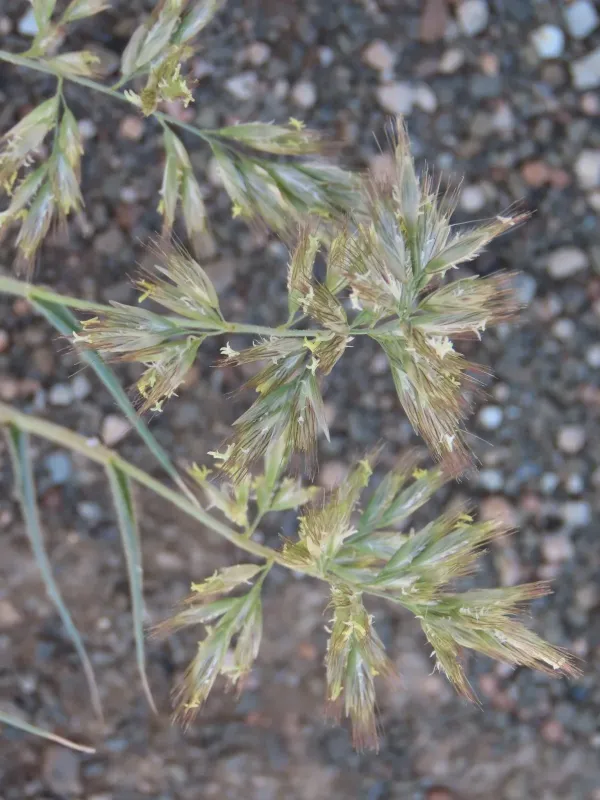
Description
Sowing dates
Sowing of Schmidtia pappophoroides should be timed to coincide with the onset of the rainy season, which is critical for successful germination and root establishment in arid environments. The ideal window is shortly after the first reliable rainfall when soil temperatures range from 20 to 25 degrees Celsius.
The seeds of this crop have high germination potential if the seedbed is properly prepared. A shallow seeding depth of 1-2 centimeters is essential, as the small seeds lack the energy reserves needed to emerge from greater depths.
Drilling the seeds in rows ensures optimal spacing and facilitates crop management. Avoiding overly dense stands is crucial so that each individual plant has enough space to develop a deep root system, which is vital for survival during seasonal droughts.
Rolling the soil after sowing is a recommended agronomic practice to ensure firm contact between the seeds and the soil. This prevents the upper layer of the substrate from drying out too quickly and promotes uniform emergence within the first 10-14 days.
Utilizing precision seeders allows for efficient seed usage and uniform distribution. Adhering to established seeding rates is key to creating a productive pasture that can effectively compete with weed species during the critical early stages of development.
Growing requirements
Schmidtia pappophoroides belongs to the Poaceae family and is a characteristic native grass of African savannas and semi-arid regions. It is exceptionally adapted to extreme temperatures and prolonged drought, making it an invaluable resource for improving rangelands.
The grass thrives in light, well-drained sandy or sandy-loam soils. It demonstrates high tolerance to low soil fertility, allowing it to be cultivated on impoverished lands where other more demanding forage crops would fail to grow.
This crop has a high requirement for direct sunlight. Schmidtia is strictly heliophilic and performs poorly if shaded; therefore, it is not recommended for intercropping with trees or planting in areas with persistent cloud cover or significant shade.
The optimal soil pH range for this grass is slightly acidic to neutral. It is highly sensitive to waterlogging, and areas prone to poor drainage or flooding are strictly unsuitable for cultivation, as excessive moisture leads to rapid root rot.
The plant possesses unique physiological mechanisms that maximize water use efficiency. It can enter a state of dormancy during severe moisture stress and exhibits a rapid recovery growth phase as soon as sufficient rainfall returns.
Yield
The biomass yield of Schmidtia pappophoroides is highly dependent on rainfall distribution throughout the growing season. Under favorable conditions, it produces a significant volume of nutritious forage suitable for livestock grazing.
The crop exhibits good regrowth capacity following moderate grazing pressure. It can recover effectively from browsing, extending the usage period of the pasture throughout the season as long as there is adequate soil moisture available.
Nutritional value is generally high during the vegetative stage, but protein content declines as the plant matures into the flowering phase. Rotational grazing management is essential to ensure livestock consume the grass at its peak nutritional quality.
Dry hay yields vary based on soil fertility and stand density. In optimal settings, the grass can produce several tons of dry matter per hectare, which is considered a significant productivity level for arid and desert-fringe regions.
Maximum productivity is achieved by alternating intensive grazing periods with rest intervals for the stand. Overgrazing depletes the plant's carbohydrate reserves in the root system, significantly reducing yields in subsequent growing seasons.
Main diseases and pests
The main threats to Schmidtia pappophoroides are related to extreme weather events, particularly prolonged droughts during the seedling establishment phase. Even though established plants are drought-hardy, moisture stress during germination can lead to total crop failure.
Diseases are relatively rare due to the grass's evolutionary adaptation to harsh environments. However, under conditions of high humidity combined with poor airflow, fungal infections may manifest on the foliage, requiring careful monitoring of stand density.
Pests, particularly locusts and grasshoppers, can cause severe damage during outbreaks. These insects are capable of defoliating significant areas of pasture, creating acute feed shortages in drought-prone regions where other alternatives are unavailable.
Root rot becomes a significant issue if agronomic practices are neglected, specifically if water is allowed to pool in the field due to poor drainage. Regular inspection of the root collar helps identify early symptoms of decay.
Competition from invasive weed species is a major challenge during the first two years of the stand. Proactive weed control measures are necessary to ensure that the grass seedlings are not smothered by more aggressive opportunistic plants.
Harvesting
Harvesting Schmidtia for hay should be performed at the early flowering stage. This timing optimizes the trade-off between total biomass production and the nutritional profile, ensuring high protein and fiber content for livestock.
When used as a pasture, it is critical to manage the grazing height, leaving a stubble of at least 5-8 centimeters. This residue is necessary to protect the plant's growing points and ensure rapid recovery for subsequent grazing cycles.
In hot, arid climates, cut forage dries very rapidly. It is important to complete the drying process promptly to prevent the loss of leaves, which contain the highest concentration of vitamins and nutrients, during handling and baling.
Seed collection requires careful timing as the seeds are prone to shattering once fully mature. Harvesting of seed crops is best conducted in the early morning hours when humidity is higher to minimize losses due to natural seed drop.
Hay storage should be carried out in dry, well-ventilated structures. Given the arid environment, the risk of mold during storage is minimal provided the crop is sufficiently cured and dried to a moisture content of 14-16%.