
Schmidtia kalahariensis
Schmidtia kalahariensis
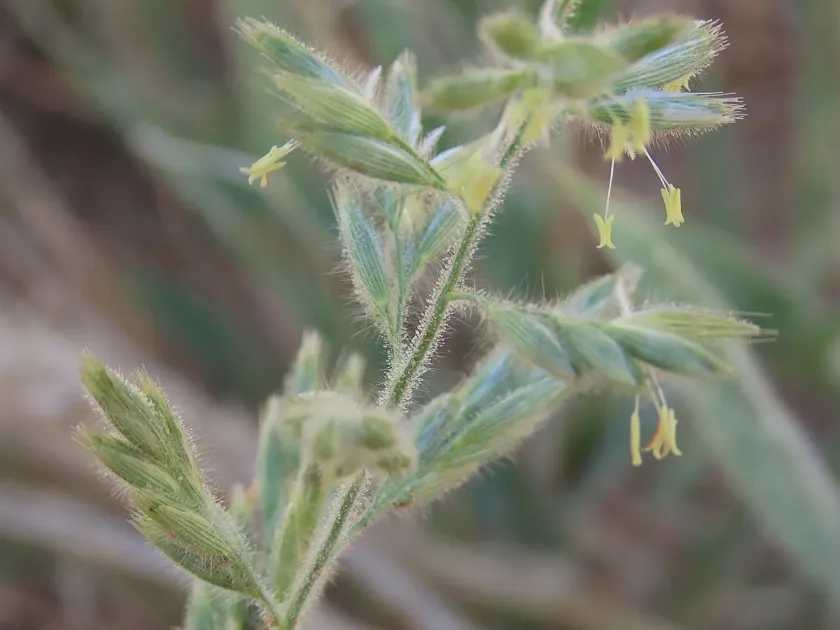
Description
Sowing dates
Natural germination is triggered by the onset of summer rains. The seeds exhibit mechanisms that allow them to remain dormant in the sand until environmental conditions, specifically moisture, are favorable for seedling establishment.
Growing requirements
Schmidtia kalahariensis is an annual grass species belonging to the Poaceae family. It is widely recognized for its exceptional resilience in the harsh, arid environments of Southern Africa.
The plant is native to the Kalahari Desert region, where it thrives in sandy, nutrient-poor soils. It serves as a vital component of the local ecosystem, stabilizing soil surfaces and providing essential ground cover.
This grass is strictly adapted to hot climates with limited rainfall. It requires high light intensity to complete its reproductive cycle and has evolved to grow rapidly during brief moisture availability.
Regarding soil requirements, it prefers sandy substrates that offer excellent drainage. It is highly sensitive to waterlogged conditions, which can be detrimental to its shallow root system during prolonged wet periods.
Economically, it is primarily used as a forage plant for extensive livestock grazing. Its ability to regenerate quickly from seed after rain events makes it a cornerstone for sustainable pastoralism in arid regions.
Main diseases and pests
Due to its specialized niche in arid deserts, the plant experiences few disease outbreaks. The main threat to the sustainability of this grass is overgrazing, which leaves the sandy soil vulnerable to wind erosion and prevents seed set.