
Kusum tree
Schleichera oleosa
Description
Growing requirements
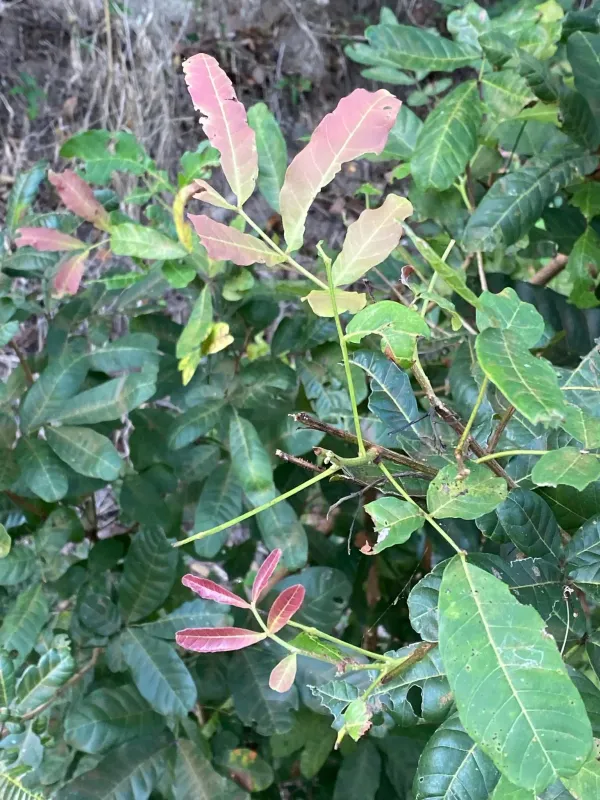
The Kusum tree (Schleichera oleosa) is a prominent deciduous species belonging to the Sapindaceae family. It is a large, spreading tree that can reach heights of up to 30 meters in favorable tropical conditions.
The species thrives in tropical climates characterized by distinct wet and dry seasons. It is remarkably drought-tolerant, making it well-suited for regions with irregular rainfall patterns.
Kusum trees are not highly demanding regarding soil quality; they grow effectively on various soil types, ranging from sandy loam to rocky ground, provided there is adequate drainage.
Optimal growth occurs at temperatures between +25°C and +35°C. As a tropical plant, it is susceptible to severe frost, which limits its commercial distribution to warm geographical zones.
Botanically, the tree features pinnate leaves and produces small, inconspicuous flowers. The fruits are drupes containing seeds rich in high-quality oil, which is the primary economic driver for the species.
Yield
The seeds are harvested for their oil, which is used extensively in the soap-making industry, as a lubricant, and for various medicinal applications in traditional practices.
The tree is globally renowned as a primary host for the lac insect (Laccifer lacca), which secretes natural resin used to produce commercial shellac, a product of high industrial value.
Kusum timber is prized for its exceptional hardness, durability, and strength. It is frequently utilized in the manufacture of agricultural tools, heavy-duty construction, and high-quality furniture.
The fruit's pulp is edible and enjoyed locally, providing a nutritional supplement. Furthermore, the foliage acts as a vital fodder resource for livestock, particularly during dry months.
With an average seed yield ranging from 50 to 100 kg per mature tree, Schleichera oleosa is considered a highly efficient component of agroforestry systems in Asia.
Main diseases and pests
Root rot, often caused by waterlogging in poorly drained soils, represents a significant pathological threat that can lead to the rapid decline of individual trees.
Defoliating insects can significantly impact the growth rates of young seedlings, necessitating monitoring and integrated pest management strategies in nurseries.
Wood-boring beetles may infest the tree trunks, potentially reducing the timber quality and negatively affecting the tree's health and its capacity to support lac insect colonies.
Effective management involves regular sanitation pruning to remove dead wood and ensuring adequate spacing to maintain air circulation within the canopy.
Protecting the health of the tree is essential, as the production of lac resin is highly dependent on the host tree's overall vigor and physiological status.