
Schizolobium kellermannii
Schizolobium kellermannii
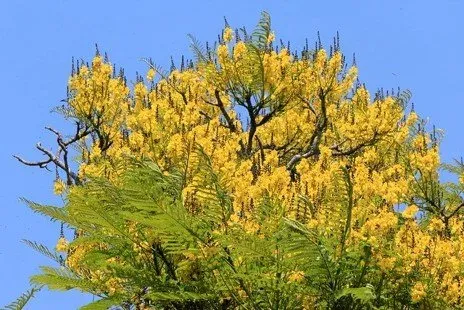
Description
Sowing dates
The propagation of Schizolobium kellermannii typically begins in nursery settings, where seeds are prepared for sowing through mechanical scarification.
Sowing is best performed at the onset of the rainy season to ensure optimal moisture conditions for germination and early seedling development.
Seeds are sown in containers with a well-draining medium, with temperatures maintained between 25 and 30 degrees Celsius to encourage rapid sprouting.
Once seedlings reach a height of 30 to 50 centimeters, they are ready to be transplanted into the field, provided that the soil is properly prepared.
Seedling hardening is a crucial step to improve plant resilience against environmental stress before the final transfer to the plantation site.
Growing requirements
Schizolobium kellermannii is a member of the Fabaceae family and is native to the tropical ecosystems of Central and South America.
The species requires a warm climate with no exposure to frost, as cold temperatures can significantly stunt growth or lead to plant mortality.
Deep, fertile, and well-drained soils are essential for the species to achieve its maximum potential growth rate and maintain tree health.
Being a shade-intolerant species, it requires full exposure to sunlight to avoid etiolation and to ensure the production of high-quality wood fiber.
Consistent water availability is necessary for young trees, though mature individuals demonstrate moderate tolerance to short dry spells.
Yield
This tree is globally recognized for its exceptional growth speed, making it an ideal candidate for short-rotation forestry and biomass production.
Under optimal tropical conditions, it can grow several meters in height during a single growing season, significantly outperforming many other hardwood species.
The primary economic output is lightweight timber, which is highly sought after for plywood manufacturing, crating, and other packaging materials.
The tree's rapid carbon sequestration rate makes it increasingly valuable for reforestation projects aiming at climate mitigation and biodiversity restoration.
Economic returns are optimized by managing density and ensuring that the trees receive the necessary silvicultural care during their early life stages.
Main diseases and pests
Root rot caused by poorly drained soils remains one of the most common threats to Schizolobium kellermannii in humid tropical regions.
Young plantations are frequently vulnerable to defoliating insects that can severely impact the photosynthetic capacity and overall vigor of the trees.
Fungal leaf diseases can emerge during periods of prolonged humidity, requiring integrated pest management strategies to protect the crop health.
Maintaining adequate spacing between trees is vital to prevent the rapid spread of pathogens and to ensure healthy air circulation within the canopy.
Monitoring the plantation for signs of pests or nutritional deficiencies allows for early intervention and reduction of potential economic losses.
Harvesting
Commercial harvest typically occurs when the trees reach a specific diameter, which generally takes between 10 to 15 years in well-managed plantations.
Harvesting techniques involve mechanical felling and on-site processing to maximize the utility of the wood and reduce transportation costs.
Timing the harvest during the dry season is essential to minimize soil compaction and environmental damage caused by heavy machinery usage.
Post-harvest management often includes site clearing and soil enrichment to prepare the area for subsequent cycles of tree planting or other uses.
Wood is sorted at the harvest site into various grades, with higher-quality sections directed toward furniture or plywood production facilities.