
False melic
Schizachne purpurascens
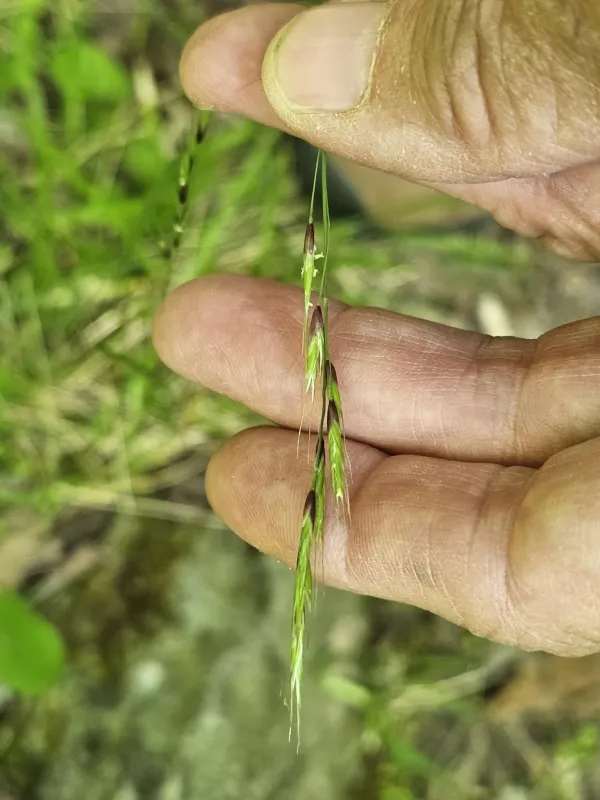
Description
Growing requirements
Schizachne purpurascens, commonly known as false melic, is a perennial bunchgrass belonging to the Poaceae family, widely distributed across North America and Eurasia.
The plant thrives in cool, moist forest openings and meadow ecosystems, demonstrating high adaptability to varying temperate climate conditions.
It possesses a dense root system, which contributes to soil stability and allows the plant to flourish in diverse soil types, provided they are well-drained.
Agronomic management requires selecting sites with neutral to slightly acidic pH, as the species is sensitive to waterlogged conditions that can inhibit root development.
Cultivation strategies emphasize the importance of maintaining adequate light exposure, as the species prefers partially shaded to open environments for maximum biomass production.
Yield
The primary agricultural use of false melic is as a high-quality component in forage production, providing palatable feed for livestock throughout the growing season.
Dry matter yields are significantly influenced by nutrient management, with nitrogen applications showing a clear positive effect on foliage development.
The grass is known for its relatively early spring growth, allowing for timely first cuttings and providing a steady source of forage before other grasses reach maturity.
Seed production of Schizachne purpurascens is feasible under managed conditions, contributing to the availability of the species for both agricultural and ecological restoration uses.
When used in pasture systems, its ability to recover after grazing makes it a sustainable choice for mixed-species grassland management.
Main diseases and pests
Fungal diseases, such as leaf rust and powdery mildew, represent common threats to false melic, especially in humid regions where air circulation is limited.
Pest populations that target the inflorescences can potentially impact seed yield, necessitating careful scouting during the reproductive stages of the plant.
Invasive weeds pose a significant competition threat during the establishment phase, requiring pre-emergent or post-emergent control measures for optimal stand density.
Overgrazing and soil compaction are major management risks that can weaken the perennial stands, leading to decreased vigor over multiple production cycles.
Preventative strategies should include proper spacing and regular harvesting to maintain plant health and reduce the density of pathogen inoculums within the canopy.