
Blood Lily
Scadoxus multiflorus (Martyn) Raf.
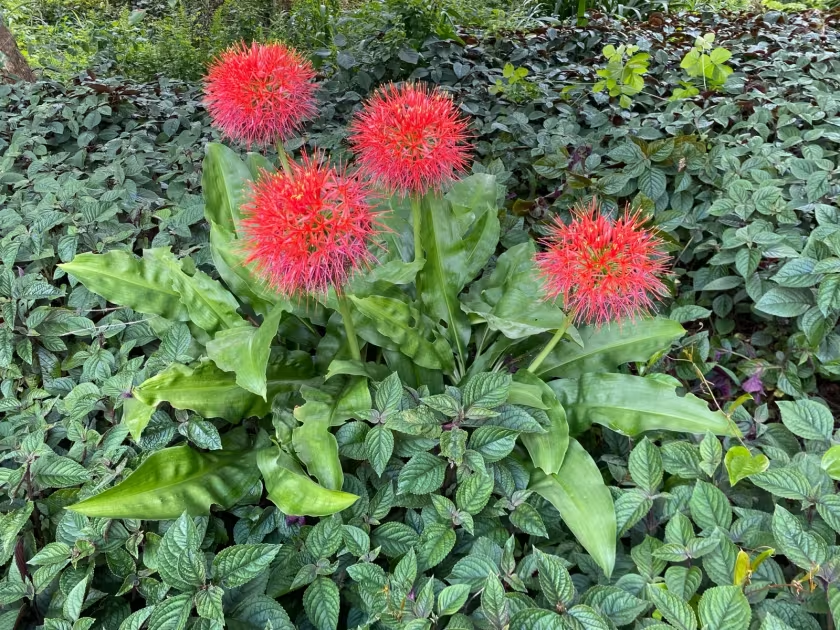
Description
Growing requirements
Scadoxus multiflorus, commonly known as the Blood Lily, is a perennial bulbous plant belonging to the Amaryllidaceae family. It originates from tropical Africa, where it typically grows in shady forest environments and savannahs.
As a warm-climate crop, it requires stable conditions to thrive. In temperate regions, it is cultivated primarily in greenhouses or as a houseplant because it cannot tolerate frost, needing a steady temperature between 20°C and 25°C.
The culture requires a well-draining, nutrient-rich potting mix. A suitable substrate should consist of loam, organic compost, and coarse sand. Proper drainage is essential to prevent water accumulation near the bulb.
This plant prefers bright, indirect light. Direct sunlight can scorch the foliage, reducing the plant's aesthetic value. Watering should be moderate during the growing season, allowing the top layer of soil to dry slightly between sessions.
The Blood Lily is mainly used for ornamental purposes. Its spectacular, large, spherical umbel inflorescences make it a highly sought-after plant for professional horticulture, interior design, and specialized botanical collections.
Main diseases and pests
The most significant threat to Scadoxus multiflorus is bulb rot caused by fungal pathogens in waterlogged soils. Ensuring good aeration and preventing water stagnation are key measures for long-term health.
Common pests include spider mites and mealybugs, which thrive in indoor environments with low humidity. These pests can weaken the plant by feeding on its cell sap, leading to yellowing of the leaves.
Integrated pest management, including the use of systemic insecticides and regular manual cleaning of leaves, is required to control infestations. Monitoring the plant's health periodically allows for early detection of pests.
Anthracnose can also manifest on the leaves if the environmental conditions are too humid with poor airflow. Fungicides containing copper compounds are often effective in mitigating the impact of such infections.
Gardeners should handle this plant with caution, as it is toxic if ingested and may cause skin irritation upon contact. Always wear protective gloves when transplanting or dividing the bulbs to ensure personal safety.