
Sauropus androgynus
Sauropus androgynus
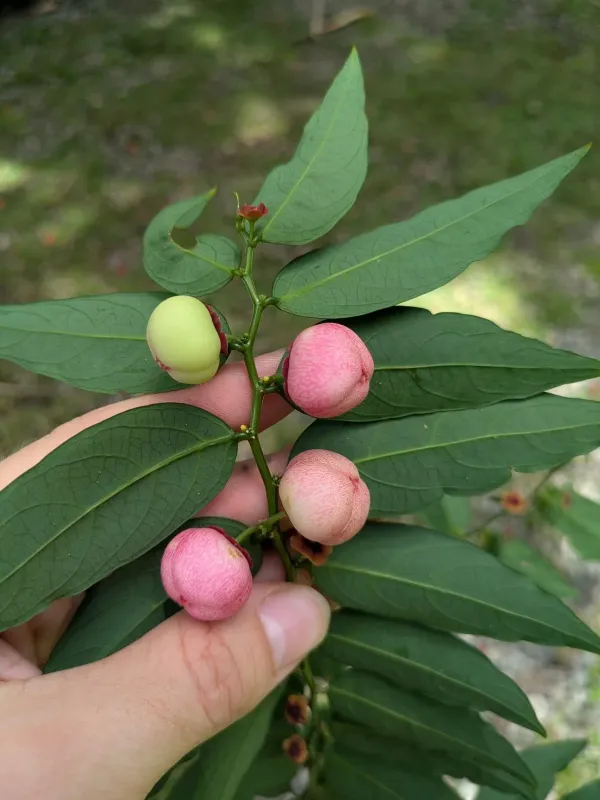
Description
Sowing dates
Sauropus androgynus, commonly known as Katuk or star gooseberry, is a perennial shrub originating from the tropical regions of Southeast Asia. Because it is a heat-loving plant, propagation is most successful via stem cuttings, which allow for quicker establishment than starting from seed.
To establish a plantation, choose a location with rich, well-draining soil and exposure to partial shade. The ideal planting time coincides with the start of the rainy season to take advantage of natural humidity, which is essential for successful root development of young cuttings.
For optimal commercial yields, plants should be spaced at least 50 centimeters apart. This spacing ensures proper airflow between bushes, reducing the risk of fungal infections and allowing for easy movement during regular maintenance and harvesting operations.
In greenhouses, planting can be conducted year-round provided that temperatures remain stable between 25 and 30 degrees Celsius. Young plants are sensitive to direct, harsh sunlight and should be protected with shade cloth during their first few weeks of growth.
While seed propagation is possible, it is not recommended for commercial production due to slow germination rates and inconsistent results. Cuttings taken from vigorous, healthy mother plants are the industry standard for maintaining high yield quality.
Growing requirements
Katuk thrives in hot and humid tropical climates and is highly sensitive to cold temperatures. Even minor frosts will kill the leaves and stems, and the plant struggles to grow effectively in regions where temperatures drop below 15 degrees Celsius.
The soil must be fertile and high in organic content to support constant leaf production. Incorporating compost and aged manure into the planting beds is highly recommended. The pH level should ideally be maintained in the range of 6.0 to 7.0.
Consistent irrigation is vital for this crop. The plants require abundant water to stay hydrated and productive; drought stress causes the leaves to toughen and lose their characteristic nutty flavor, significantly reducing their market value as a culinary ingredient.
Light management is crucial, as Sauropus androgynus performs best under filtered sunlight. In full sun, leaves may become yellowish and stunted, while in very deep shade, the growth rate decreases. The ideal balance is found in environments with dappled light.
Regular maintenance includes pruning to keep the plant within a manageable size. Since the young shoots and leaves are the primary harvestable parts, stimulating new growth through periodic cutting is essential for high and sustainable yields over many years.
Yield
Sauropus androgynus is highly valued for its prolific leaf production. A well-managed plantation can provide regular harvests throughout the year, making it a very lucrative crop for farmers operating in suitable tropical climates.
The first harvest usually occurs about three to four months after planting. Once the plant is established, continuous harvesting can be performed every few weeks, as the plant responds vigorously to pruning by pushing out new, tender side shoots.
The culinary value of Katuk is exceptional, as it is rich in protein, vitamins, and minerals. Because of its health profile, it is in high demand as a premium leafy vegetable in many culinary traditions, where it is often used in soups or stir-frys.
Total yield per hectare is significantly influenced by the level of nitrogen fertilization. As a leaf-producing crop, the plant rapidly consumes nitrogen, and a balanced fertilizer schedule is necessary to maintain high production levels throughout the growing season.
Proper harvest rotation is key to maximizing yields. By dividing the plantation into sections and harvesting in rotation, farmers ensure a consistent daily supply for the market without over-taxing the resources of individual plants.
Main diseases and pests
Aphids and spider mites are the most common pests, particularly during the dry season or in poorly ventilated greenhouses. These insects feed on the tender young shoots, causing leaf curling and significantly weakening the overall health of the shrub.
Root rot is a major threat caused by over-watering or poor soil drainage. If the soil remains waterlogged for extended periods, the roots will begin to decay. Ensuring that planting beds are elevated or well-drained is the best preventive strategy.
Caterpillars can cause severe damage by defoliating the plant in a matter of days. Regular scouting is required to detect early infestation. Biological controls, such as beneficial insects or neem oil, are generally preferred over synthetic pesticides for this crop.
Powdery mildew may occur when humidity is high but airflow is restricted. To minimize this risk, always ensure proper spacing between plants and avoid overhead watering in the late afternoon, which keeps the foliage wet overnight and invites infection.
Good sanitation practices, such as removing fallen leaves and pruning off infected branches, are essential for disease control. A clean growing environment prevents the build-up of pathogens and keeps the plantation productive for a longer time.
Harvesting
Harvesting is performed manually to ensure only the tender parts are collected. Workers typically snap off the tops of the shoots or pick individual mature leaves, taking care not to damage the lower sections of the stems that are meant to keep growing.
Early morning is the ideal time for harvesting. The plants are fully turgid after the night, ensuring that the harvested leaves remain crisp and fresh for as long as possible after being removed from the mother plant.
Post-harvest handling is critical because Katuk leaves lose moisture quickly and wilt. To maintain quality, the product should be kept in cool, shaded conditions and moved quickly to cold storage or directly to the market for immediate sale.
Grading at the time of harvest allows for better price differentiation. Tender tips and young, light green leaves fetch a higher price than larger, mature leaves, which are sometimes considered too fibrous for premium dishes.
Using sharp shears or knives for pruning helps achieve clean cuts, which heal faster and reduce the risk of secondary infections. Careful harvesting preserves the plant's structural integrity and ensures it remains a high-yielding asset for the farmer.