
Rila savory
Satureja rumelica
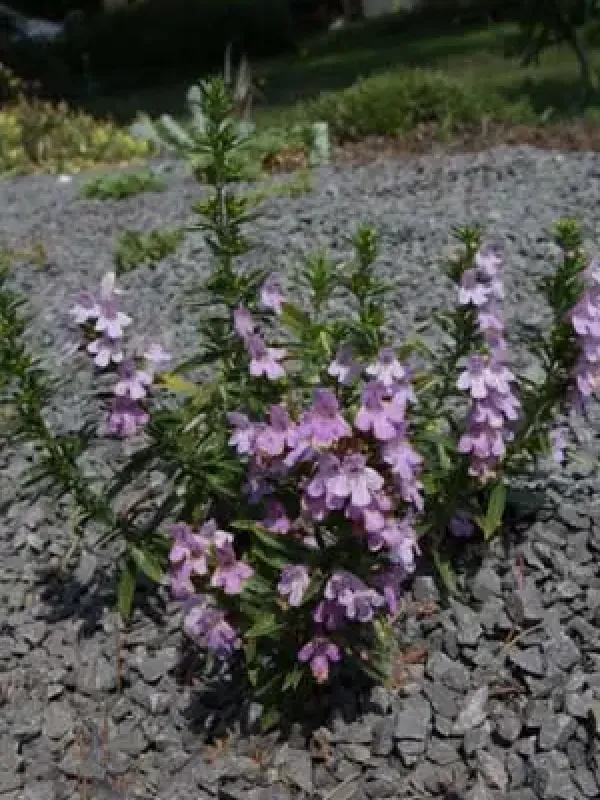
Description
Sowing dates
Sowing of Rila savory is typically carried out in the spring once the soil temperatures have reached at least 10–12 degrees Celsius. Direct sowing into prepared seedbeds is common in moderate climates during late April.
For more uniform results, a greenhouse starting method is preferred, where seeds are sown in trays during early March. Seedlings are then transplanted outdoors once they have developed several true leaves.
Given the small size of the seeds, they should be sown shallowly, barely covering them with a thin layer of fine soil or vermiculite to ensure they receive the light they need for germination.
Maintain spacing of 30–40 centimeters between rows to ensure adequate airflow and prevent the competition for nutrients, which is essential for producing high-quality aromatic foliage.
Rila savory is a member of the Lamiaceae family, and as a perennial subshrub, it requires careful site selection as it will occupy the same area for several years of cultivation.
Growing requirements
This species thrives in full sun, as maximum exposure is required for the plant to concentrate its essential oils, which define its strong spicy aroma and culinary value.
The plant prefers well-drained, sandy, or light loamy soils. It is highly intolerant of waterlogged conditions, which can lead to rapid root decay and plant failure in a short period.
While drought-tolerant once established, Rila savory requires consistent moisture during its initial growth phase and throughout the peak flowering stage to reach its maximum biomass potential.
The soil should be kept neutral; excessive acidity can inhibit growth, so soil amendments like lime may be necessary if the local soil is naturally acidic before the plantation is established.
The crop is relatively hardy but benefits from mulching in regions experiencing harsh winters to protect the root crown from severe frost damage and excessive moisture.
Main diseases and pests
Fungal diseases, particularly those affecting the roots such as Fusarium wilt, represent the primary threat to healthy crops, especially when irrigation management is poorly controlled.
Pests like aphids and spider mites can infest the foliage, particularly in hot and dry weather conditions, causing stunted growth and reducing the overall quality of the final herb product.
Implementing a proper crop rotation strategy and ensuring good drainage are the most effective preventive measures against the build-up of soil-borne pathogens in the root zone.
Integrated Pest Management (IPM) practices should be employed if infestation occurs, utilizing biological controls or targeted, organic-approved treatments to protect the aromatic leaves.
Regular monitoring for early signs of yellowing or leaf curling is crucial, as early intervention can prevent large-scale crop losses and preserve the economic viability of the plot.
Harvesting
Harvesting is ideally timed to coincide with the peak flowering period, as this phase corresponds with the maximum accumulation of volatile organic compounds and essential oils.
Using sharp, sterilized tools, gardeners should cut the stems about 10–15 centimeters above the soil level, allowing enough of the base structure to remain for plant regrowth.
The harvested stems should be dried in thin layers in a shaded, well-ventilated area. Direct sunlight must be avoided to prevent the degradation of the plant's delicate aromatic compounds.
Once dry, the leaves should be stripped from the stems and stored in opaque, airtight containers to maintain the intensity of the flavor for long-term culinary or medicinal use.
Properly cured and stored Rila savory remains shelf-stable for months, provided it is kept away from heat sources, moisture, and light, which are the primary enemies of aromatic herbs.