
Japanese tallow tree
Sapium japonicum
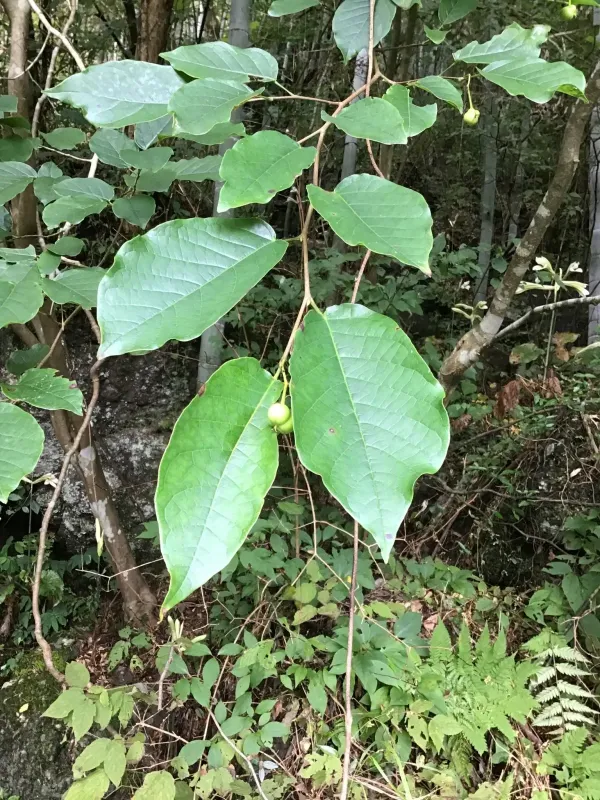
Description
Growing requirements
The Japanese tallow tree (Sapium japonicum) is a deciduous tree belonging to the Euphorbiaceae family. It is widely recognized for its elegant growth habit and the spectacular coloration of its foliage during the autumn months.
Originating from East Asia, including Japan and the Korean Peninsula, this species thrives in temperate climates. It typically grows in moist, forest-covered regions, preferring sheltered environments that provide protection from harsh, drying winds.
To ensure successful cultivation, the tree requires fertile, well-drained soils with a neutral or slightly acidic pH level. Consistent moisture is vital, especially during the establishment phase, as the species is sensitive to prolonged drought.
Optimal growth is achieved in sunny positions or partial shade, where the plant can display its full ornamental potential. It prefers regions with mild winters, as severe frost can potentially damage younger, less established specimens.
Cultural practices include applying organic mulch around the base of the tree. This helps in maintaining soil moisture levels and protects the shallow root system from extreme temperature fluctuations during the summer heat.
Harvesting
The primary economic use of the Japanese tallow tree involves the processing of its seeds. These seeds contain oils that are valued for their specific chemical properties, often utilized in the production of high-quality industrial paints and varnishes.
The wood of the tree is also harvested for small-scale carpentry and woodworking projects. It is favored for its moderate density and the ease with which it can be carved, making it suitable for creating artisan home decor items.
In landscaping, this tree is highly prized as a specimen plant. Its aesthetic appeal makes it a popular choice for public parks and botanical gardens, where its distinctive foliage serves as a significant visual attraction.
Harvesting usually occurs once the fruit capsules reach full maturity and begin to open naturally. This process requires precise timing to maximize the yield of the oil-bearing seeds while minimizing loss due to environmental factors.
Post-harvest handling involves careful drying and mechanical separation of the seed components. The resulting raw materials are then processed through extraction methods to produce oils essential for specialized industrial applications.