
Oahu soapberry
Sapindus oahuensis
Description
Growing requirements
The Oahu soapberry (Sapindus oahuensis) is a perennial tree species belonging to the family Sapindaceae. It is a true endemic of the Hawaiian Islands, specifically found in the forest ecosystems of Oahu and Kauai.
The climate requirements for this species are strictly tropical. It flourishes in areas with constant temperatures and adequate moisture levels, typical of dry to mesic forests found at lower to middle elevations in its native habitat.
Soil quality is paramount for the healthy growth of this species. It thrives in well-draining, nutrient-rich soils. While it can withstand periods of relative dryness, regular hydration is essential for ensuring robust vegetative growth and consistent fruit yields.
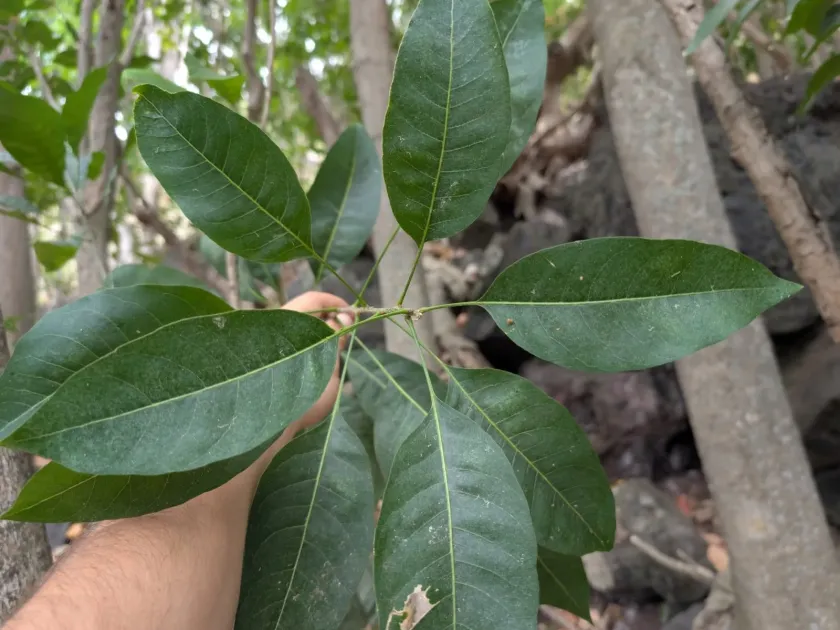
Botanically, the tree features compound, odd-pinnate leaves with glossy leaflets, which are adapted for high-efficiency energy capture. The tree can grow to a considerable size, requiring space for canopy development to ensure maximum exposure to solar radiation.
The main commercial and utility value of Sapindus oahuensis lies in the saponin content of its fruits. These natural compounds are highly effective as biodegradable cleaning agents, making the tree an important resource for ecological agriculture and traditional uses.
Main diseases and pests
Invasive plant species pose the most significant threat to the Oahu soapberry in the wild. These competitors often outgrow the saplings, depriving them of the sunlight and nutrients necessary for development in the early stages of life.
Insect pests such as scale insects and mealybugs commonly attack the tender foliage of the trees. These pests can significantly weaken the plant if left unchecked, so regular monitoring is standard practice for maintenance.
Fungal pathogens associated with root rot are a potential risk if soil drainage is compromised. To prevent this, planting sites should be carefully selected to avoid waterlogging and ensure sufficient aeration of the root system.
Environmental stress caused by habitat loss and fragmentation impacts the reproductive success of existing populations. Ensuring that mature trees have sufficient space and a stable environment is crucial for ongoing species preservation.
Integrated pest management strategies are recommended over heavy chemical reliance. By promoting beneficial insect populations, growers can naturally control outbreaks of minor pests without disrupting the delicate forest ecosystem.