
Sanguinaria canadensis
Sanguinaria canadensis
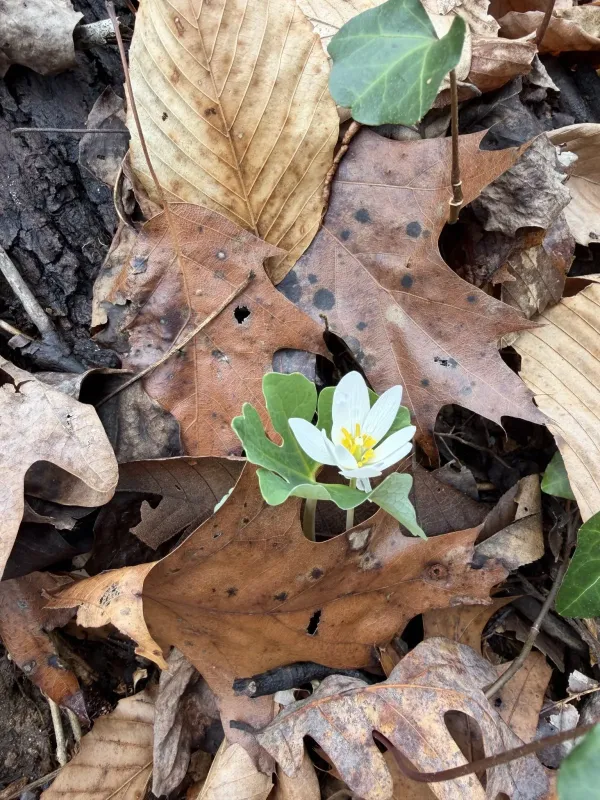
Description
Sowing dates
Propagation of Sanguinaria canadensis, commonly known as bloodroot, is most effectively achieved through rhizome division. This method is preferred as it ensures genetic consistency and provides a faster establishment of plants compared to seeding.
Division is typically performed during the dormant season, usually in late summer or very early spring before new growth emerges. Each rhizome section must contain at least one healthy growth bud to ensure successful future development.
Seed propagation is possible but requires a cold stratification period of several months. Fresh seeds should be sown in a moist, peat-based soil mix and kept in a cool environment to break dormancy, though germination rates may vary.
When planting, rhizomes should be placed at a depth of approximately 5 to 8 centimeters. It is crucial to maintain appropriate spacing between plants, usually 20 to 30 centimeters, to allow for the natural spread of the colony over time.
After planting, a light layer of leaf mold or compost mulch helps maintain soil moisture and protects the rhizomes from temperature fluctuations. Adequate hydration is essential during the initial period of root establishment.
Growing requirements
Sanguinaria canadensis is a member of the Papaveraceae family, native to the deciduous forests of North America. It thrives in woodland settings, requiring cool, shaded, or semi-shaded environments to mimic its natural habitat.
The plant demands rich, moist, and well-draining soil. High organic matter content, such as leaf litter, is essential to provide the necessary nutrients and structure for the rhizomes to develop properly without risk of rot.
Regarding climatic requirements, bloodroot is quite hardy and adapts well to temperate regions. It requires sufficient moisture throughout the spring season to support its ephemeral blooming cycle, which occurs early in the year.
While the plant is hardy, it is sensitive to intense heat and direct sunlight. Planting in areas with dappled shade or protection from the afternoon sun is recommended to prevent early foliage decline and maintain plant vigor.
Soil pH should ideally be neutral or slightly acidic. The culture does not perform well in compacted or waterlogged soils, which can cause the rhizomes to decay rapidly and reduce the overall yield of the plantation.
Main diseases and pests
Sanguinaria canadensis is generally a robust plant with few serious natural enemies, but it is susceptible to root rot if growing conditions are too wet. This is the most common threat and is often caused by poor drainage.
Slugs and snails can cause damage to the young, tender foliage as it emerges in the spring. In high-density plantings, these pests can quickly defoliate the plants if left unchecked, requiring physical barriers or organic controls.
Fungal leaf spot diseases may occasionally appear during prolonged periods of high humidity and poor air circulation. Proper spacing of plants and removing dead foliage at the end of the season can significantly mitigate these risks.
Some small rodents or burrowing animals may disturb the rhizomes in search of food. While the plant contains toxic alkaloids that act as a natural defense against many herbivores, mechanical disturbance of the soil remains a threat.
Prevention of these threats focuses on site selection and soil health. Providing optimal growing conditions keeps the plants vigorous, making them more resilient to the rare occurrences of disease or pest infestations.
Harvesting
The harvest of Sanguinaria canadensis is primarily focused on its rhizomes, which contain valuable alkaloids like sanguinarine. Harvesting should only occur once the plant colony is well-established, typically after three to four years of growth.
The ideal time for harvesting is in the late autumn after the foliage has died back naturally. At this stage, the plant has stored maximum energy and compounds in the rhizomes, ensuring the best quality for pharmaceutical or medicinal use.
Harvesting involves carefully digging up the rhizomes, washing away all adhering soil, and performing a thorough inspection. Workers must wear protective equipment because the plant's sap is a bright red, caustic substance that can cause skin irritation.
Post-harvest processing requires immediate drying in a shaded, well-ventilated area. Rapid drying is essential to prevent mold growth, which would render the harvested material unusable for its intended purpose.
Once dried, the product should be stored in cool, dry conditions, protected from light to maintain the integrity of the chemical compounds. Regular checking of the storage environment is necessary to prevent any degradation of the botanical material.