
Salvia urica
Salvia urica
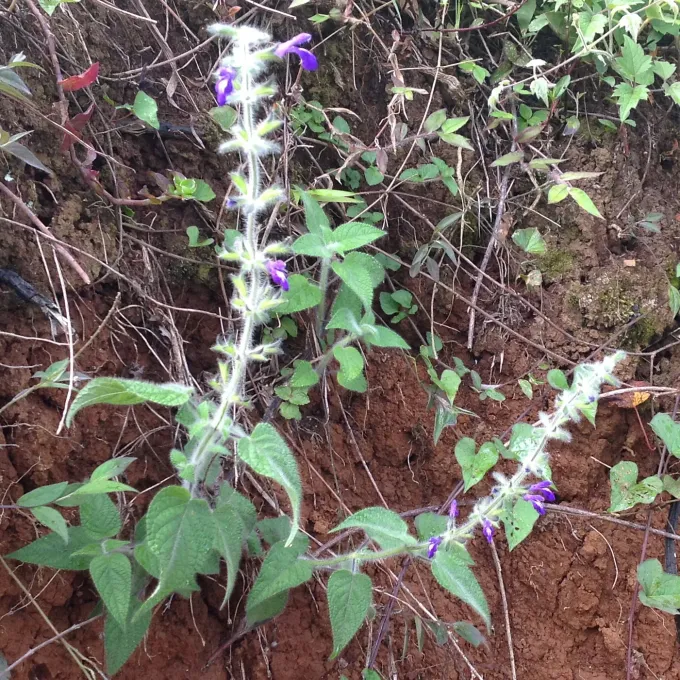
Description
Sowing dates
Salvia urica is a perennial herb belonging to the Lamiaceae family, noted for its unique botanical properties and essential oil potential. Native to high-altitude regions of Mexico, it has adapted to specific ecological niches that require attention when cultivating it as an agricultural crop.
The sowing process begins with high-quality seeds that require a controlled environment for optimal germination. Sowing in specialized seed trays during late winter allows for a strong root system to develop before the plant is transferred to the field in early spring.
The optimal depth for planting seeds is approximately 0.5 centimeters. It is crucial to use a well-aerated seed starter mix to prevent the damping-off of seedlings, which are quite sensitive to moisture levels and fungal presence during the initial weeks.
Germination typically occurs within three weeks under consistent temperatures between 18 and 22 degrees Celsius. During this time, the soil should remain moist but not waterlogged, as excessive water can impede oxygen access to the developing seeds.
Hardening off the seedlings is a critical step before full transplantation. By gradually exposing the young plants to outdoor conditions over a ten-day period, the risk of transplant shock is significantly reduced, ensuring a higher survival rate in the field.
Growing requirements
Salvia urica thrives in well-drained, sandy loam soils with a neutral pH. The soil structure must allow for efficient water runoff, as the plant roots are susceptible to rotting if exposed to stagnant water conditions for extended periods.
This species requires full sun exposure to maximize its growth potential and the production of aromatic compounds. In areas with high light intensity, the plants demonstrate more vigorous growth and more abundant floral displays compared to those in partially shaded environments.
Water requirements should be managed strategically, with more frequent irrigation during the vegetative stage and reduced water supply as the plant nears its reproductive phase. This practice helps to concentrate secondary metabolites within the leaves and stems.
The plant is adapted to moderate temperature fluctuations but is sensitive to prolonged frost. In temperate climates, it is often grown as an annual or requires significant winter protection to prevent damage to the crown and root system.
Fertilization should be handled with care, prioritizing potassium and phosphorus over high-nitrogen fertilizers. Excessive nitrogen can lead to lush vegetative growth that is more prone to lodging and may reduce the quality of the essential oil harvested.
Main diseases and pests
Fungal pathogens such as root rot represent the primary threat to Salvia urica crops, particularly in poorly drained soils. Implementing proper irrigation scheduling and maintaining optimal plant spacing are the most effective preventative measures.
Pests like aphids and spider mites can colonize the leaves, especially during periods of stress or in greenhouse conditions. Integrated pest management, focusing on biological controls and manual monitoring, is recommended for sustainable crop maintenance.
Good air circulation is vital to prevent the development of powdery mildew. Planting the crops in rows that facilitate airflow helps maintain a dry microclimate around the foliage, which discourages the spread of foliar fungal diseases.
Weed control is essential during the early establishment of the crop, as young Salvia urica plants are not strong competitors. Utilizing mechanical cultivation or biodegradable mulch can effectively keep the area clean without damaging the shallow root system.
Crop rotation is a standard practice to maintain soil health. Avoiding the cultivation of Lamiaceae plants in the same plot for consecutive years helps minimize the buildup of soil-borne pathogens and preserves the long-term productivity of the land.