
Salvia kronenburgii
Salvia kronenburgii
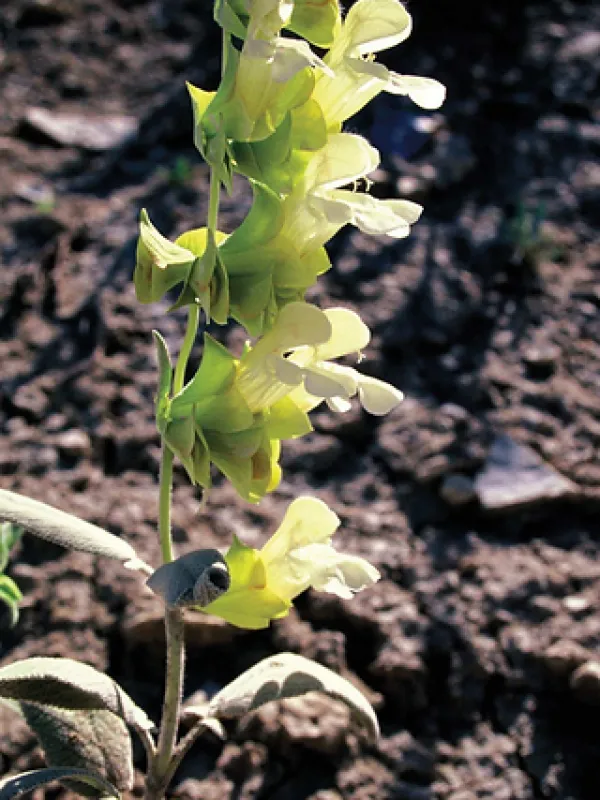
Description
Growing requirements
Salvia kronenburgii is a perennial herbaceous plant belonging to the Lamiaceae family. Native to mountainous terrains, this species has evolved to thrive in rocky and well-drained environments, making it a robust selection for specific climates.
The plant requires full sun exposure for optimal growth and high essential oil production. Positioning crops in areas with maximum daylight ensures that the plant develops its distinct chemical profile effectively throughout the season.
Soil structure should be primarily light and porous to prevent waterlogging. Salvia kronenburgii thrives in sandy or silty loam soils that possess a neutral to slightly alkaline pH, mirroring the conditions of its natural habitat.
Climatic adaptability is a strong suit for this species. It is well-equipped to handle high diurnal temperature variations, typical of high-altitude regions, while maintaining steady metabolic activity during the summer months.
Water management is critical during the initial establishment phase. Once the root system is fully developed, the plant shows significant drought tolerance, though supplemental irrigation during prolonged dry spells enhances total biomass production.
Main diseases and pests
Fungal pathogens represent the primary threat to healthy yields. Root rot is particularly prevalent in poorly drained soils, often exacerbated by stagnant water following heavy rainfall or improper irrigation schedules.
Powdery mildew often manifests on the leaf surfaces during periods of high humidity and poor ventilation. Keeping the planting density within recommended guidelines helps maintain the airflow necessary to prevent this disease.
Insects like spider mites and aphids can infest tender foliage. These pests can significantly stunt plant growth and reduce the overall aesthetic and economic value of the harvested material if left untreated.
Nematode populations in the soil can disrupt nutrient uptake, leading to chlorosis and stunted growth. Implementing a strict crop rotation schedule helps mitigate the accumulation of soil-borne pests in the field.
Integrated Pest Management (IPM) strategies, including the use of biological control agents and resistant cultivars, are recommended to maintain plant health without relying exclusively on chemical interventions.