
Salvia forskaohlii
Salvia forskaohlii
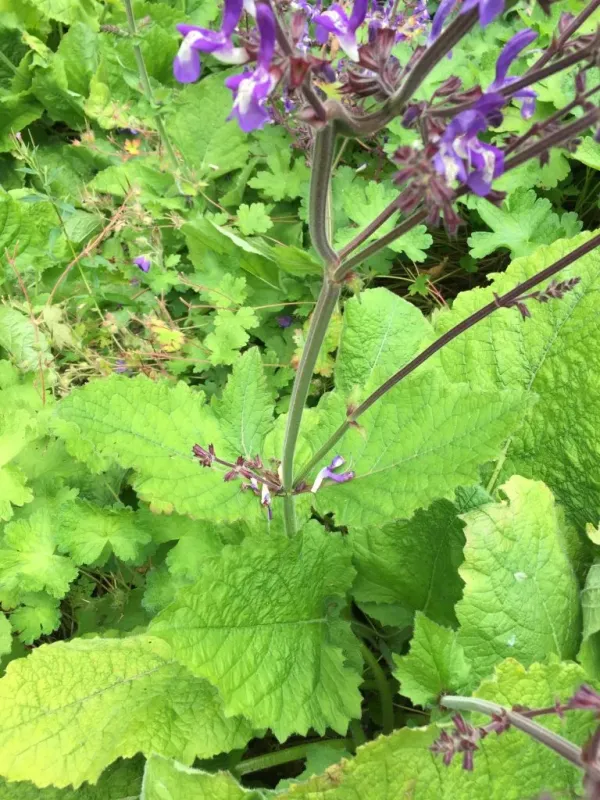
Description
Sowing dates
Sowing of Salvia forskaohlii seeds is best performed in the spring when soil temperatures reach 15–18 degrees Celsius. For high-quality seedlings, it is advisable to sow seeds in trays in a greenhouse during March, ensuring sufficient light exposure for rapid germination.
When sowing directly into open soil, the best window is late April or early May. The seeds should be covered with only a thin layer of soil (about 0.5–1 cm) because light is essential for their development. Maintaining consistent soil moisture is crucial until the seedlings emerge.
The crop thrives in well-structured and highly permeable soil. Therefore, it is recommended to prepare the site by incorporating organic matter or sand to improve drainage and prevent surface compaction before the planting process begins.
Proper spacing is a vital element of successful cultivation, with 40–50 cm between plants allowing for better air circulation. This layout significantly reduces the risk of fungal diseases that often develop in dense plant clusters during humid periods.
While autumn sowing may be viable in regions with very mild winters, spring planting remains the standard approach to ensure the plants establish a strong root system before the onset of the colder season, leading to more vigorous growth in the following summer.
Growing requirements
Salvia forskaohlii is a member of the Lamiaceae family that prefers sun-drenched locations sheltered from harsh winds. These conditions are essential for maximizing the plant's essential oil production and ensuring healthy foliage development throughout the growing season.
Ideal soil acidity for this species ranges from pH 6.0 to 7.0. While the plant can adapt to various soil types, it reaches its full potential in nutrient-rich, well-draining loams. Avoiding areas with stagnant water is critical to maintaining the plant's health.
Although the species has moderate drought tolerance once established, regular irrigation is necessary during the active vegetative growth phase. Excessive moisture, however, can be detrimental as it often leads to root rot if the soil does not drain quickly enough.
The plant requires moderate temperatures to thrive. In regions with harsh winters, providing a layer of mulch or protective covers is recommended to safeguard the crown. During hot summers, mulching helps maintain a cooler root zone and retains beneficial soil moisture.
Agronomic maintenance includes regular weeding and soil aeration between rows. Fertilizer applications should be balanced, favoring mineral complexes with low nitrogen levels before the flowering stage, which encourages strong stem development and consistent ornamental value.
Main diseases and pests
Fungal diseases, such as powdery mildew, are the primary threats to Salvia forskaohlii, particularly when humidity levels remain consistently high. Ensuring adequate plant spacing and removing debris help create an environment that discourages pathogen proliferation.
Pests like spider mites and aphids can infest young shoots, especially during periods of low rainfall and heat. These pests suck vital fluids from the leaves, requiring regular monitoring and potential treatment with mild, eco-friendly insecticidal soaps to keep numbers low.
Gastropods, such as slugs and snails, may pose a risk to younger, tender leaves. Maintaining a weed-free area around the base of the plant often discourages these pests, and physical barriers can be effective in preventing them from reaching the foliage.
Nematode infestations can occur in soils where the same crop is grown repeatedly. Rotating planting sites is a fundamental practice in modern agronomy to break the life cycles of these soil-borne pests and maintain the long-term health of the field.
Overall plant immunity is closely linked to proper irrigation management and soil quality. By conducting regular health inspections and addressing minor issues immediately, growers can prevent the spread of infestations and maintain a productive, healthy crop yield.