
Smooth cordgrass
Spartina alterniflora Loisel.
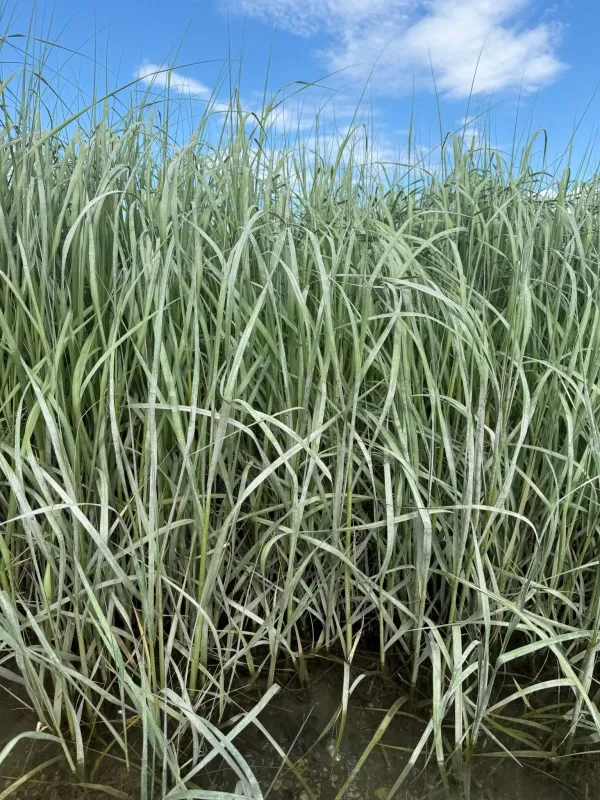
Description
Growing requirements
Smooth cordgrass is a perennial halophytic grass belonging to the Poaceae family, specifically adapted to intertidal salt marshes.
The plant is native to the Atlantic coast of the Americas, where it acts as a foundational species in estuarine ecosystems.
It thrives in waterlogged, nutrient-rich, and saline soils, exhibiting remarkable tolerance to fluctuating tides and salinity levels.
Botany of this species includes vigorous rhizomatous growth which is essential for stabilizing muddy substrates and preventing erosion.
The grass requires full sun exposure and warm climate conditions to achieve maximum biomass production potential during its active growing phase.
Yield
Due to its C4 photosynthetic pathway, smooth cordgrass is capable of producing significant quantities of biomass, making it a candidate for biofuel research.
Industrial applications include utilizing the harvested fiber for paper production and integrating the plant into wetland restoration projects.
While not a primary forage crop, its biomass is sometimes processed for mulch or raw materials in localized agricultural systems.
The plant serves as a critical carbon sink, as it effectively captures and stores atmospheric carbon in both its above-ground and below-ground structures.
Productivity levels are influenced by the nutrient availability in the sediment and the frequency of tidal flushing on the planting site.
Main diseases and pests
Common diseases affecting this species include various fungal rusts that thrive in environments with high humidity and poor air circulation.
Insect pests such as leaf miners and specific stem borers can impact plant health and reduce overall vigor during the summer months.
Invasive management protocols are crucial, as the species can become overly aggressive in non-native environments, requiring careful spatial control.
Environmental stress factors include sudden changes in water quality or excessive accumulation of toxic pollutants in the sediment.
Effective management includes regular field scouting to identify early signs of fungal infection or pest outbreaks to maintain healthy stand density.