
Rock willow
Salix vestita
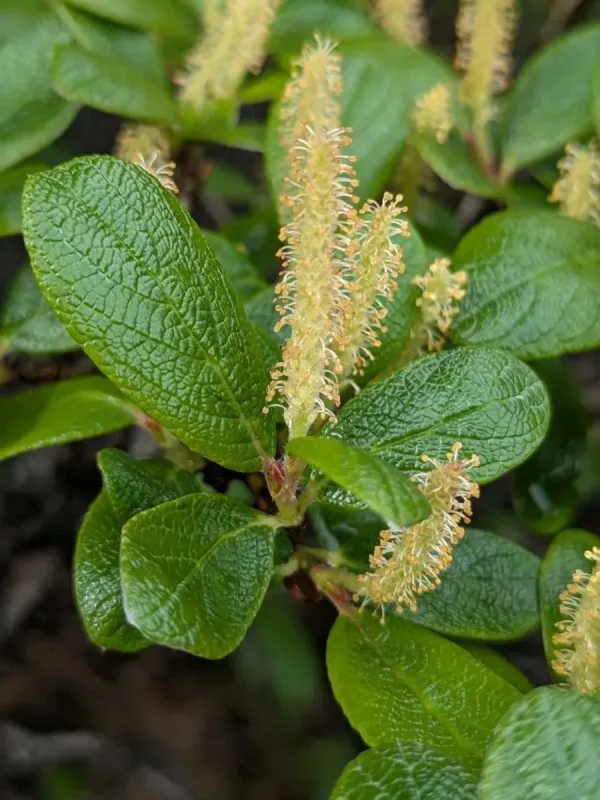
Description
Growing requirements
The rock willow (Salix vestita) is a low-growing, prostrate shrub belonging to the Salicaceae family. It is native to the high-altitude mountainous regions of North America, where it thrives in rocky, nutrient-poor, and harsh environmental conditions.
Botanically, this species is characterized by its small, thick, and ovate leaves, which often display a distinct sheen or pubescence. Its growth habit is typically trailing or creeping, allowing it to hug the ground and survive underneath winter snow covers.
When cultivated in managed environments, the rock willow requires well-draining, gravelly, or sandy soil. It is highly intolerant of waterlogged sites, which makes selecting an appropriate planting site with proper drainage a critical step for its long-term survival.
Regarding climate, the rock willow is exceptionally hardy and performs best in regions with cool summers and cold winters. It is an ideal specimen for Northern climates where high temperatures and heatwaves are infrequent, as excessive heat can stress the root system.
In landscaping, this species serves as a specialized ornamental plant. It is widely used in rock gardens, alpine troughs, and as a ground cover on rocky slopes where its slow-growing, dense habit provides excellent soil stability and aesthetic interest throughout the growing season.
Main diseases and pests
The main threats to this species include fungal infections such as rust and leaf spot, which are frequently triggered by poor air circulation or excessive moisture levels surrounding the foliage during the summer months.
Common pests include willow-specific insects such as leaf beetles and mites that may feed on the foliage. Maintaining plant vigor through proper site selection and occasional cleaning of debris reduces the likelihood of severe pest infestations.