
Salix nakamurana
Salix nakamurana
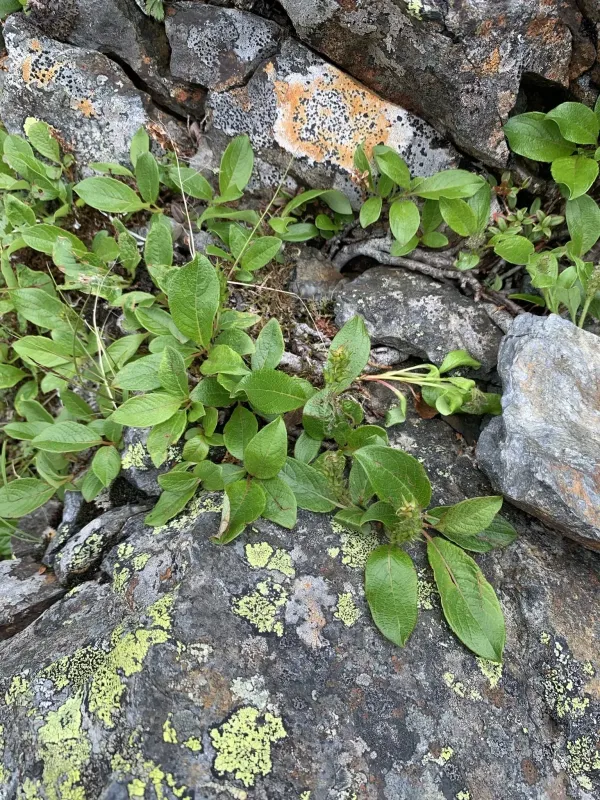
Description
Growing requirements
Salix nakamurana, commonly known as the Nakamura willow, is a low-growing, deciduous shrub belonging to the Salicaceae family. Native to the mountainous regions of Japan, it is highly valued for its compact growth habit and silver-tinted foliage.
The species thrives in cool, alpine climates. It exhibits significant cold tolerance, making it suitable for high-latitude gardening where other willow species might struggle with winter dormancy or frost damage.
In terms of soil requirements, Salix nakamurana prefers well-drained, nutrient-rich soils that retain some moisture. It is particularly well-adapted to rocky, stony sites where soil aeration is naturally high.
Proper agricultural management involves careful site selection. Although it loves moisture, it is critical to avoid waterlogged conditions, as the root system is sensitive to hypoxia, which can lead to rapid decline in plant health.
The primary horticultural application for this willow is in rock gardens, scree slopes, and as a ground cover on banks. Its ability to tolerate harsh environments while maintaining a tidy, ornamental structure makes it a staple in modern alpine landscape design.
Main diseases and pests
The most common disease threats involve fungal pathogens that affect the foliage, particularly under conditions of high humidity and poor airflow, such as willow rust and various leaf spot diseases.
Pest issues often include aphids and specialized willow leaf beetles that can cause defoliation if left unchecked during the peak growth season.
To mitigate these risks, it is essential to implement a regime of pruning to encourage air circulation, ensuring that the central part of the shrub remains dry and well-ventilated.
Integrated pest management (IPM) strategies, including the use of neem oil or targeted insecticides, should be employed only when monitoring reveals threshold-level populations of pests.
Maintaining plant vigor through balanced fertilization and correct watering practices is the best defense against environmental stress and subsequent susceptibility to biological threats.