
Zebra plant
Aphelandra squarrosa Nees
Description
Growing requirements
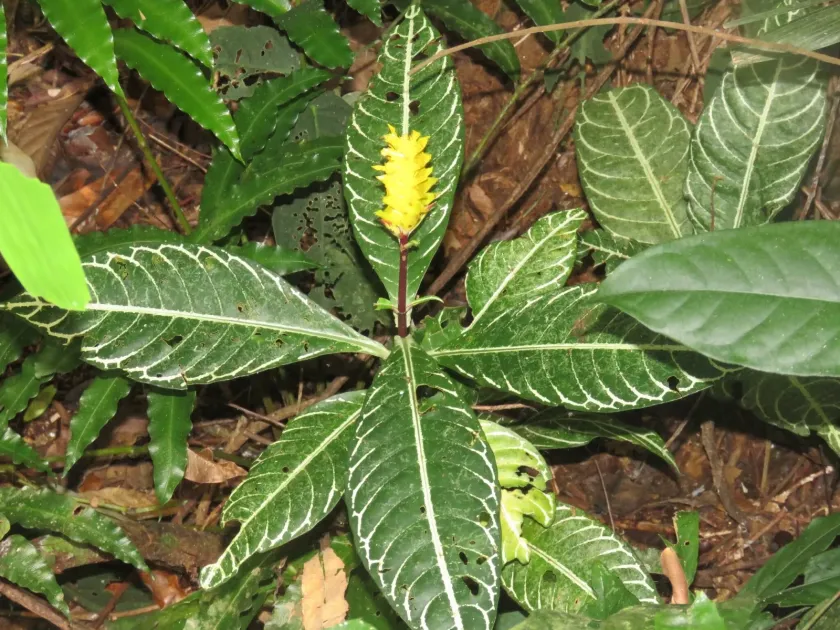
Aphelandra squarrosa, commonly known as the Zebra plant, is a visually striking member of the Acanthaceae family. Native to the tropical rainforests of Brazil, this plant is cultivated primarily for its deep green, white-veined foliage and its vivid, golden, cone-shaped flower spikes.
In commercial cultivation, the Zebra plant requires a warm and highly humid environment to thrive. It performs best in temperatures ranging from 20°C to 25°C. Exposure to cold drafts or temperatures falling below 15°C will cause the plant to drop its leaves and may lead to irreversible damage to the stems.
The substrate must be light, well-draining, and rich in organic matter. A mixture consisting primarily of high-quality peat moss and perlite is ideal for maintaining the necessary balance between moisture retention and essential root aeration, preventing the common issue of soil compaction.
Light management is crucial for the Zebra plant. While it requires bright, filtered light to maintain the dramatic contrast of its vein patterns, direct sunlight must be avoided as it causes foliar scorch. During shorter daylight months, supplemental LED or fluorescent lighting is often necessary for professional production.
Watering protocols should focus on maintaining consistent moisture without saturating the soil. The frequency of irrigation should be adjusted based on the development stage and ambient humidity levels. Regular fertilization with a balanced, water-soluble fertilizer is required during the active growth phase to support blooming.
Main diseases and pests
Common pests associated with the Zebra plant include mealybugs and scale insects, which often congregate on the undersides of leaves and at the nodes. Aphids may also present a challenge in greenhouse environments, requiring integrated pest management strategies for effective control.
Pathogenic threats are primarily linked to poor drainage, leading to root rot caused by Phytophthora or Pythium species. Proper sanitation of tools and pots, alongside careful irrigation management, is essential to minimize the risk of fungal infections and vascular wilts.