
Nandina domestica
Nandina domestica Thunb.
Description
Growing requirements
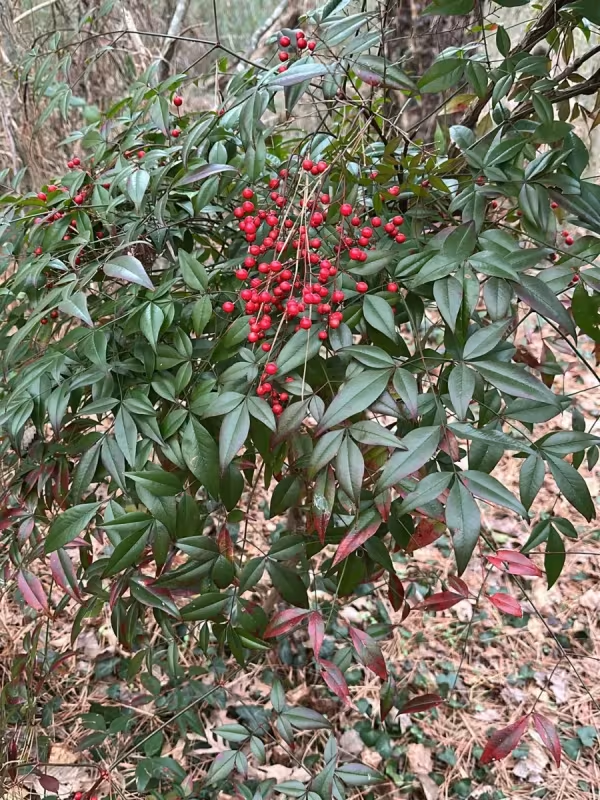
Nandina domestica, commonly known as sacred bamboo, belongs to the Berberidaceae family. Despite its common name, it is not a bamboo, but an evergreen shrub native to Eastern Asia, characterized by its compound leaves and bright red berries.
This shrub requires fertile, well-draining soil with a slightly acidic profile. It is sensitive to waterlogged conditions; therefore, planting in elevated beds or incorporating organic matter into the soil is essential to maintain proper aeration for the roots.
Climate requirements include protection from harsh winds and extreme frost. While it can withstand occasional dips in temperature, consistent exposure to severe cold will significantly damage the foliage and may lead to plant dieback.
Sunlight exposure dictates the foliage color; full sun promotes vivid red, bronze, and purple hues, while shade-grown specimens maintain a more uniform deep green color. Selecting the right planting location is key to maximizing its aesthetic value.
Agronomic management involves periodic feeding with balanced fertilizers to support vigorous growth. Regular pruning helps maintain the desired shape and encourages the development of fresh, vibrant foliage throughout the growing season.
Main diseases and pests
Nandina is notably resistant to most common plant diseases, largely due to the presence of alkaloids in its tissues. However, improper site drainage can lead to root rot, which manifests as yellowing leaves and premature leaf drop.
Pests are rarely a major concern, but spider mites can become an issue during hot, dry summer months. Inspecting the underside of the leaves is crucial for early detection, as mites can cause significant damage if populations are not controlled.
Scale insects and mealybugs may occasionally attack the stems. If such infestations occur, horticultural oils or systemic insecticides are highly effective for management, provided they are applied in accordance with regional regulations.
Sanitation practices play a vital role in preventing fungal infections. Removing debris from around the base of the shrub prevents moisture buildup and eliminates potential breeding grounds for pests and pathogens.
Implementing a regular integrated pest management (IPM) schedule ensures long-term plant health. By monitoring irrigation and seasonal growth stages, growers can maintain the shrub's natural resistance to environmental stress.