
Sabatia stellaris
Sabatia stellaris
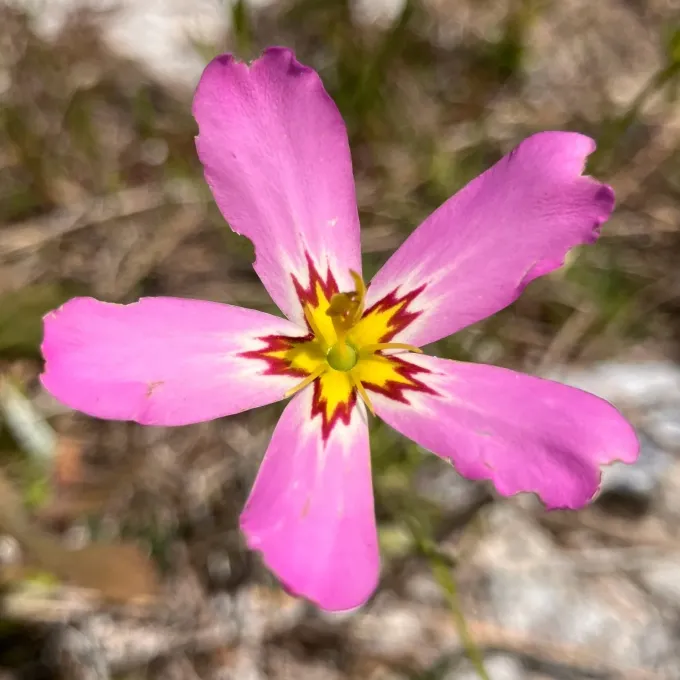
Description
Sowing dates
Sabatia stellaris, commonly known as rose pink or marsh pink, belongs to the Gentianaceae family. This species typically propagates via seeds and is characterized as an annual or biennial plant in its native habitat.
Successful germination requires a cold stratification period to simulate winter conditions. In temperate climates, seeds are best sown in late autumn or early spring immediately after the snow melts to break dormancy.
The seeds are extremely small, necessitating surface sowing. They should be pressed gently into the moist substrate rather than buried deeply to ensure adequate light exposure and moisture contact for the developing embryos.
The ideal temperature for germination ranges between 18 and 22 degrees Celsius. Maintaining consistent moisture levels in the growing medium is critical, as the seeds are highly sensitive to both desiccation and excessive waterlogging.
For ornamental purposes, indoor starting is possible. Seedlings should be pricked out into individual containers once the first pair of true leaves appears, taking great care not to damage the delicate root system during the process.
Growing requirements
The plant has specific soil requirements. In nature, Sabatia stellaris is found in salt marshes, wet meadows, and pond edges, thriving in damp, acidic to slightly acidic sandy or peaty soils with high moisture content.
It is a heliophilous species, requiring full sun for optimal health and flowering. Inadequate light levels often lead to etiolated, weak stems and significantly reduced blossom production, which diminishes its aesthetic appeal.
Regarding climate, the plant requires consistent atmospheric and soil moisture. It performs poorly in drought conditions, necessitating frequent irrigation during dry spells to prevent premature wilting and stunted growth.
Well-drained soil is essential despite the plant's love for moisture, as stagnant water around the roots can lead to rot. Soil enrichment with organic matter in moderation can support more vigorous growth and brighter flowers.
The species is sensitive to extreme temperature fluctuations and strong, cold winds. Planting in a sheltered location that provides some protection from prevailing drafts is advisable for improved long-term plant vitality.
Main diseases and pests
Fungal infections, such as gray mold and leaf spots, represent the primary threat to Sabatia stellaris, especially in high-humidity environments with poor airflow. These pathogens thrive when plants are crowded.
Sucking insects, including aphids and spider mites, are common pests that can infest the foliage and stems. These pests proliferate rapidly under suboptimal temperature conditions and can quickly weaken the plant's immune system.
Preventive measures primarily involve proper spacing between plants to maximize air circulation. Reducing canopy moisture during cloudy, humid weather helps minimize the incidence of fungal spores settling on the leaves.
If an infestation occurs, the use of biological control agents or mild, systemic insecticides is recommended. Care must be taken to avoid harsh chemicals that may be toxic to the delicate tissue of the marsh pink.
Weed management is critical during the initial growth stages. Because Sabatia stellaris is not highly competitive against aggressive weeds, frequent hand-weeding is necessary to ensure the young plants receive sufficient resources.