
Rosepink
Sabatia angularis
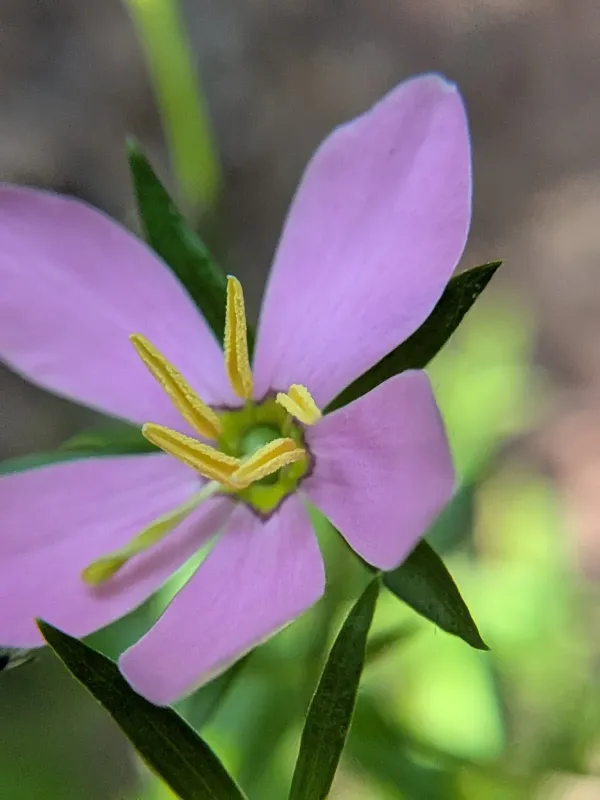
Description
Sowing dates
Rosepink (Sabatia angularis) is a member of the Gentianaceae family. This herbaceous plant typically behaves as a biennial in natural conditions, requiring specific attention to its growth cycle.
The seeds of this plant are extremely small, necessitating surface sowing. They should not be buried deep in the soil, as they require light for successful germination.
The optimal time for sowing in temperate climates is early spring or late autumn (dormant seeding). The latter allows seeds to undergo natural stratification, which significantly improves germination rates.
During cultivation, it is crucial to maintain consistent substrate moisture during the germination phase, as drying out the soil surface is fatal to the young sprouts.
After the emergence of the first true leaves, the seedlings of Sabatia angularis require thinning or transplanting to prevent overcrowding, which can encourage the development of rot.
Growing requirements
This crop prefers open, well-lit areas. The plant is highly sensitive to shading and quickly loses its vigor and medicinal quality if exposed to insufficient direct sunlight.
The soil must be moist but well-drained. Rosepink does not tolerate waterlogging, which often leads to root rot; therefore, on heavy clay soils, creating a drainage layer is essential.
The ideal pH level for the plant ranges from slightly acidic to neutral. In the wild, the species often selects forest edges and meadows with light, organic-rich substrates.
The temperature regime should be moderately warm. In regions with extremely hot summers, the plant requires protection from the midday sun to prevent root system overheating.
Fertilization should be moderate. An excess of nitrogen leads to excessive vegetative growth at the expense of flowering, so phosphorus-potassium fertilizers are preferred.
Main diseases and pests
The primary threats to this crop are fungal diseases that thrive in conditions of high humidity and poor air circulation, such as powdery mildew and anthracnose.
Among pests, aphids and spider mites are the most dangerous, potentially infesting the plants during drought periods or when irrigation schedules are ignored.
To prevent infestations, it is necessary to regularly weed the area around the plants, as weeds often serve as reservoirs for many pathogens and insect pests.
If the first signs of disease are detected, immediate application of biological fungicides is recommended to prevent the spread of the infection throughout the entire plantation.
Maintaining proper spacing between plants during planting ensures better air circulation, which significantly reduces the risk of fungal epidemics.