
Ryania speciosa
Ryania speciosa
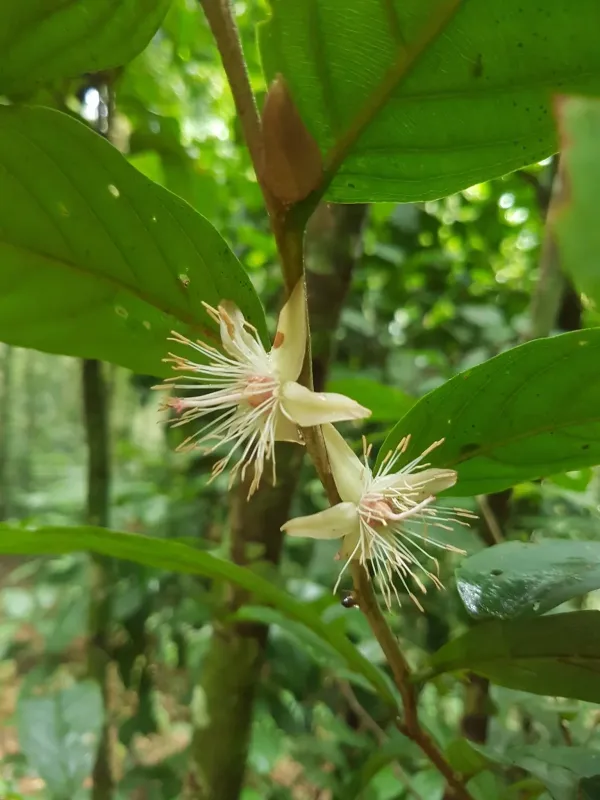
Description
Growing requirements
Ryania speciosa is an evergreen shrub or small tree belonging to the Salicaceae family, historically associated with the Flacourtiaceae family in earlier botanical classifications.
The plant originates from the tropical rainforests of South America, primarily within the Amazon basin, where it thrives under high humidity and tropical thermal conditions.
Cultivation requires environments that replicate its native tropical climate, characterized by warm temperatures and consistent moisture throughout the year without frost periods.
Soil requirements focus on high organic matter content, excellent aeration, and efficient drainage to prevent root rot, which is critical for the healthy development of this species.
The plant is biologically recognized for the production of ryanodine, an alkaloid synthesized within the wood and stems, which serves as a natural defensive mechanism.
Main diseases and pests
The plant possesses inherent resistance to most agricultural pests due to the high concentration of ryanodine found in its tissues, which acts as a powerful botanical insecticide.
General insect pests that affect many tropical crops show little interest in Ryania speciosa, as the consumption of its leaves or stems proves toxic to their systems.
Fungal diseases are the primary threats, typically occurring in habitats with poor air circulation or waterlogged soil conditions, which can lead to rapid pathogen spread.
Maintaining proper spacing in nursery and plantation settings is the main agricultural strategy used to mitigate the risk of pathogen transmission and humidity-related stress.
No major, widespread epidemics have been documented in the commercial cultivation of Ryania, owing largely to its unique chemical profile that acts as a self-protecting trait.
Harvesting
The primary economic use of Ryania speciosa is the extraction and preparation of natural insecticides utilized primarily in integrated and organic pest management systems.
Harvesting involves the selective cutting of stems and woody portions of the tree, which are the primary parts containing the required levels of active ryanodine.
Post-harvest processing includes drying the harvested wood and grinding it into a fine powder, which serves as the active ingredient in various commercial insecticide formulations.
Agricultural management requires sustainable harvesting techniques to ensure that the trees can regenerate effectively, given the relatively slow growth rate of the species.
The resulting products are valued for their targeted efficacy against specific insect pests while demonstrating lower levels of toxicity toward mammals and beneficial wildlife.