
Ruttya fruticosa
Ruttya fruticosa
Description
Growing requirements
Ruttya fruticosa, commonly known as the rabbit ear plant, belongs to the Acanthaceae family. This evergreen shrub is native to Eastern Africa, where it thrives in warm, tropical, and subtropical climates, often found in rocky slopes and woodland edges.
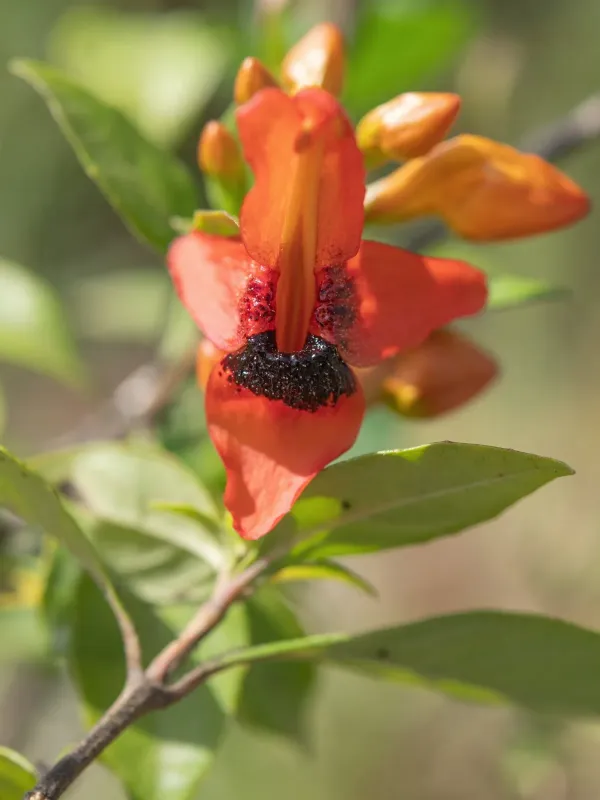
Botanically, the species is defined by its ovate, glossy, dark green leaves and distinctive flowers that feature unique color patterns. It typically grows as a dense, woody shrub, often reaching heights of up to 3 meters, making it a popular choice for screening or ornamental hedging in warmer regions.
The plant requires well-drained, nutrient-rich soil to support its vigorous growth. It is highly adaptable to various soil types, provided they are not waterlogged, as the root system is susceptible to decay under saturated soil conditions.
Regarding climate, Ruttya fruticosa is a frost-sensitive plant. It performs optimally in full sun to partial shade, requiring warm temperatures year-round. In non-tropical regions, it must be grown in containers and moved indoors or into a greenhouse before the onset of autumn frost.
Management practices for this shrub involve regular pruning to maintain its shape and promote denser foliage. Irrigation should be consistent during the flowering stage, with a reduction in water frequency during the dormant winter period to prevent root stress.
Main diseases and pests
Common pests affecting Ruttya fruticosa include spider mites, whiteflies, and scale insects, which often colonize the underside of leaves when humidity levels are inadequate.
Root rot is the most prevalent disease, occurring primarily due to over-irrigation or the use of heavy, non-porous potting media that inhibits proper drainage.
To mitigate the risk of infestation, it is recommended to maintain adequate ventilation in the growing area, which significantly reduces the pressure from sucking insect pests.
Applying horticultural oils or systemic insecticides may be necessary during severe outbreaks, ensuring all treatments are applied according to the manufacturer's safety guidelines for ornamental plants.
Proactive monitoring for signs of leaf yellowing or stunted growth allows for early intervention, ensuring the long-term health and aesthetic value of the shrub collection.