
Russelia campechiana
Russelia campechiana
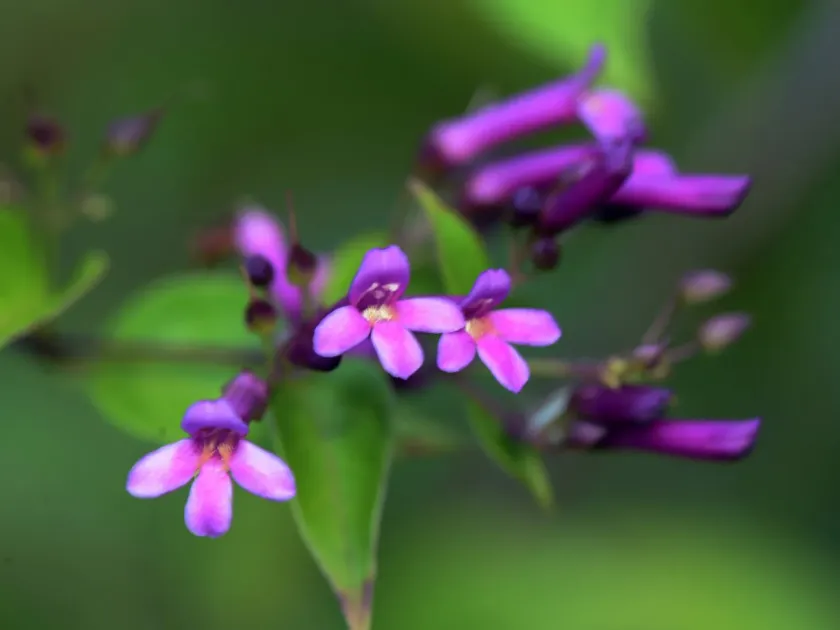
Description
Growing requirements
Russelia campechiana is a perennial shrub species belonging to the Plantaginaceae family. Originally native to the tropical regions of Central America, specifically Mexico, this plant is valued for its unique structural aesthetic and distinctive flowering habits.
The plant is characterized by its slender, rush-like stems that act as photosynthetic organs, as its true leaves are often reduced to small scales. This specialized adaptation helps the plant thrive in its natural environment by minimizing water loss through transpiration.
This species requires high light intensity to maintain its compact form and to initiate prolific blooming. When grown outside of its natural tropical habitat, it is managed as an ornamental greenhouse or patio plant, as it is highly susceptible to frost and requires frost-free conditions year-round.
The soil requirements focus heavily on porosity and drainage. A well-aerated potting mix containing coarse sand, peat moss, and perlite is ideal to prevent root asphyxiation, which can occur if the growing medium remains waterlogged for extended periods.
Cultural management involves precise water control: during the growing season, consistent moisture is beneficial, but during the dormant period, the plants should be kept on the drier side to discourage fungal pathogen growth. Fertilization should be moderate, focusing on balanced NPK formulations.
Main diseases and pests
Common pests affecting Russelia campechiana under greenhouse conditions include spider mites and mealybugs. Due to the dense, twiggy nature of the plant, thorough application of specialized horticultural soaps or systemic pesticides is necessary to reach sheltered pests.
The most significant pathological threat is root rot, typically caused by pathogens like Pythium or Phytophthora, which thrive in stagnant, overwatered soil conditions. Maintaining proper drainage and avoiding excessive humidity around the root zone are essential preventive measures.