
California scurfpea
Rupertia physodes
Description
Growing requirements
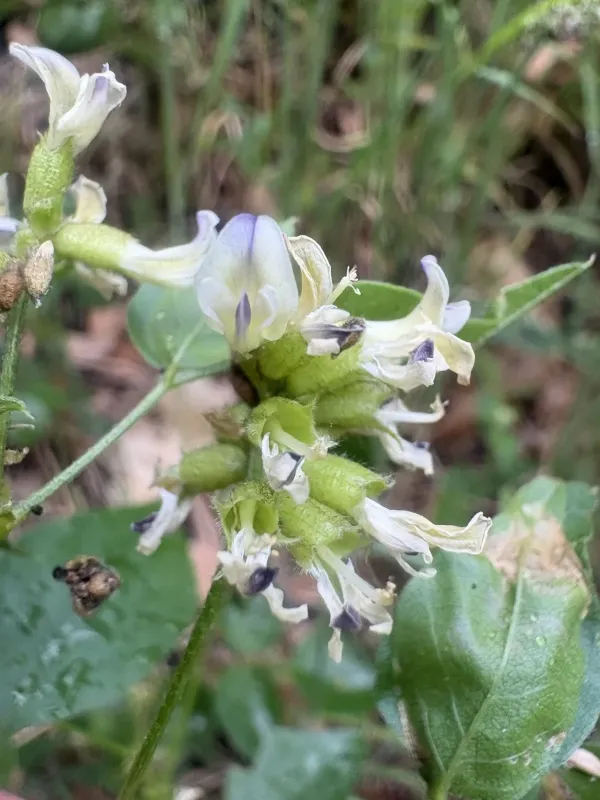
California scurfpea (Rupertia physodes) is a perennial herbaceous plant belonging to the Fabaceae family. Native to western North America, it is widely recognized for its ecological importance in forest edges and open slopes.
The plant features a robust root system capable of nitrogen fixation, which significantly improves soil fertility. Its biological cycle makes it an excellent choice for reclamation projects.
The crop thrives in well-drained, moderately fertile soil profiles. It demonstrates a notable tolerance for semi-shaded environments, making it versatile for various agricultural settings.
Climatic requirements involve moderate rainfall during the growing season. The species is resilient to dry spells, which is a major advantage for sustainable pasture management.
From an agricultural standpoint, it serves as a valuable forage plant. Its ability to stabilize soil prevents erosion on hilly landscapes, ensuring long-term land productivity.
Main diseases and pests
Root rot remains the most significant threat to Rupertia physodes cultivation, especially in areas with poor drainage or prolonged waterlogging. Prevention focuses on soil structure management.
Leaf-feeding insects and various weevils may occasionally infest the plants. Integrated pest management (IPM) practices are recommended to keep damage below economic thresholds.
Weed management is critical during the seedling stage. Once the stand is established, the plants grow vigorously, creating a canopy that effectively shades out most weeds.
Crop rotation is vital to prevent the buildup of soil-borne pathogens. Avoid planting on fields recently occupied by other legumes to reduce disease pressure.
Regular field scouting is essential to identify early signs of nutrient deficiency or pathogen stress, allowing for targeted intervention before spreading throughout the plot.