
Common madder
Rubia tinctorum L.
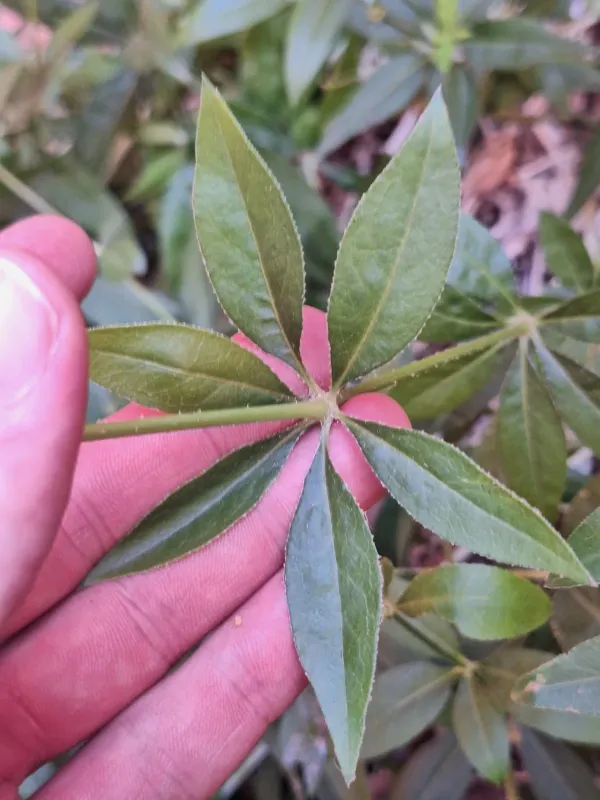
Description
Sowing dates
Common madder (Rubia tinctorum) is a perennial herbaceous plant belonging to the Rubiaceae family. The seeds are typically sown in early spring, once the soil temperature consistently reaches 10-12 degrees Celsius, or in late autumn for winter dormancy.
To improve germination rates, seeds should undergo stratification for about a month before sowing. The recommended planting depth is 1.5 to 2 centimeters, ensuring sufficient moisture for the small seeds.
The planting pattern must allow for mechanized inter-row cultivation. A standard row spacing of 60 to 70 centimeters is typically maintained to provide the plants with enough space for root development.
While madder can remain in the field for several years, commercial cultivation usually follows a three-year cycle, which is optimal for maximizing the yield and quality of the dye-producing roots.
Vegetative propagation using root cuttings planted in autumn is a reliable method to establish vigorous plantations, leading to faster plant growth in the following season compared to seed propagation.
Growing requirements
Madder requires loose, well-draining soils, preferably sandy loams or light loams. Heavy clay or waterlogged soils are unsuitable as they increase the risk of root rot and impede the development of long, straight roots.
This crop is highly light-demanding. Exposure to direct sunlight is crucial for the photosynthesis process, which directly influences the synthesis of anthraquinones responsible for the plant's dyeing properties.
The plant demonstrates moderate drought resistance once established, but regular irrigation is necessary during the first year of growth to ensure a strong root system and healthy foliage development.
The ideal temperature range for growth is between 18 and 25 degrees Celsius. While it is hardy in many climates, young plants may require protection or mulch if exposed to extreme winter frosts without snow cover.
Soil fertility is important for high yields. Incorporating organic matter, such as compost or well-rotted manure, before planting is recommended to provide essential nutrients throughout the crop's development.
Yield
The yield of common madder is measured by the weight of the dried roots. With proper management and soil conditions, a harvest of 2,000 to 4,000 kilograms of dried roots per hectare can be achieved.
The concentration of natural dyes in the roots peaks by the end of the third growing season. Harvesting too early results in a lower-quality product with less intense pigment content.
Weed control is the most critical factor in achieving high yields. Since madder is slow to establish, regular inter-row cultivation is necessary to prevent weeds from suppressing the plants during their first year.
Productivity is also influenced by the soil depth and structure; deeper, lighter soils allow for easier root harvesting and higher quality of the final product with fewer broken pieces.
Intensive farming practices, including balanced fertilization and timely irrigation, have been shown to increase root volume significantly, making it a viable specialty crop for organic and natural textile industries.
Main diseases and pests
Rust, caused by fungal pathogens, is the most common disease affecting the foliage of the madder plant. It is primarily managed through crop rotation and maintaining good field hygiene.
Gray mold (Botrytis) can affect roots under conditions of excessive moisture and poor drainage. This requires preventative soil management to avoid persistent fungal growth in the planting area.
Wireworms are the most significant soil-dwelling pests that damage the roots. Integrated pest management, including field rotation and the use of natural predators, is preferred over excessive chemical use.
Monitoring the plants for symptoms of fungal infections during the summer months is essential for timely intervention and to prevent the spread of diseases across the entire plantation.
Using certified, disease-free planting material is the first step in successful madder cultivation, as it prevents the introduction of soil-borne pathogens into the production field.
Harvesting
Harvesting is performed in the autumn of the third year. By this time, the roots have accumulated the necessary pigments and are at their peak for commercial processing and extraction.
Specialized equipment, such as deep-digging plows or root harvesters, is used to lift the soil layer to a depth of 30-40 centimeters, where the main mass of the root system is located.
Once harvested, the roots are meticulously cleaned to remove adhering soil and debris. They are then washed with water to ensure that no impurities remain, which is vital for high-quality dye production.
Drying is a critical step; it should be done in well-ventilated areas or controlled-temperature dryers at no more than 60 degrees Celsius to prevent the degradation of the active anthraquinone compounds.
After reaching the desired moisture content, the dried roots are stored in dark, cool, and dry warehouses to protect them from humidity and direct light, ensuring long-term stability of the pigments.