
Puerto Rican royal palm
Roystonea borinquena
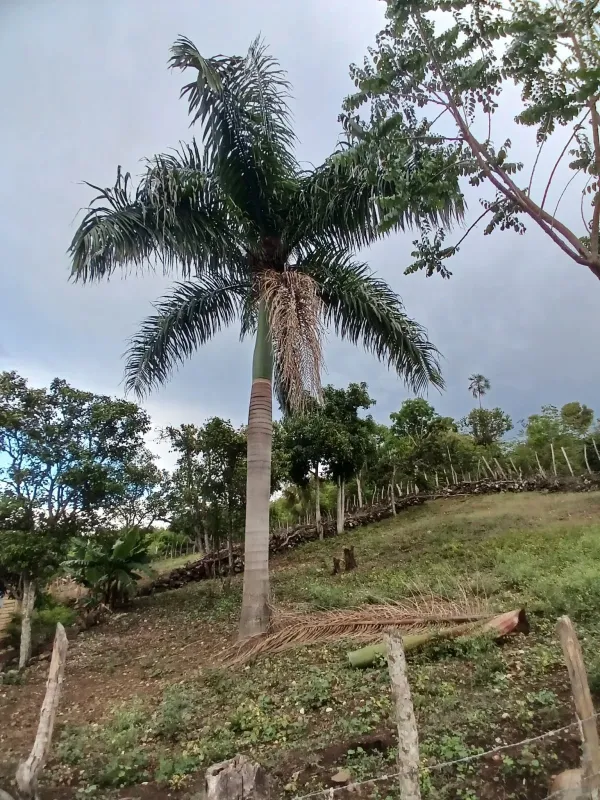
Description
Growing requirements
The Puerto Rican royal palm (Roystonea borinquena) is an impressive member of the Arecaceae family, known for its tall, smooth, and columnar grey trunk. It is native to the Caribbean region, particularly Puerto Rico, Hispaniola, and Cuba, where it thrives in diverse environments ranging from coastal plains to inland hills.
This species requires a tropical climate to prosper, characterized by high humidity and consistent warmth. It is highly sensitive to frost, which limits its outdoor cultivation to USDA hardiness zones 10 through 12, making it a quintessential specimen for tropical landscaping projects.
Regarding soil requirements, the tree prefers well-drained, fertile, and slightly moist soil. While it shows some tolerance for different soil types, including sandy or limestone-based substrates, regular organic matter enrichment ensures vigorous growth and maintains the vibrant green color of its long, arching fronds.
Agronomic management involves periodic irrigation during establishment and supplying balanced fertilizers. Maintenance is relatively low once the palm is fully established, though pruning dead leaves is recommended to improve the tree's appearance and prevent potential damage to structures below.
In agricultural practice, this palm serves multiple purposes. Its fruits are traditionally used as supplemental feed for pigs and other livestock, while its fibrous material has historical importance in weaving and light construction, showcasing the plant's economic utility beyond its ornamental beauty.
Main diseases and pests
The main threats to the Puerto Rican royal palm include various wood-boring insects, most notably the red palm weevil. These pests can cause irreparable structural damage to the trunk, eventually leading to the collapse or decline of the palm tree.
Fungal diseases, such as leaf blight and root rot, are also significant concerns in areas with poor drainage or stagnant air. Implementing proper spacing and ensuring adequate soil aeration are critical cultural practices to mitigate the risk of these infections spreading within a plantation.