
Rotula aquatica
Rotula aquatica
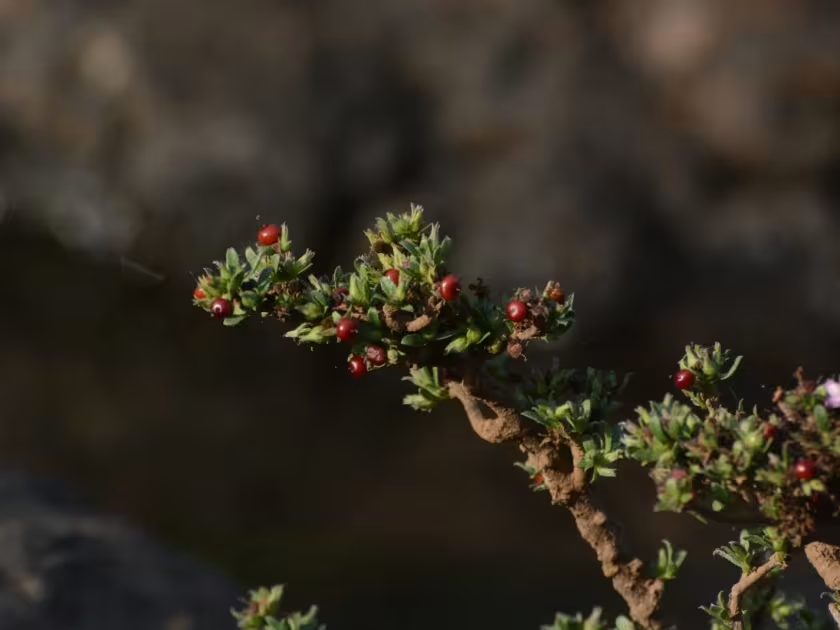
Description
Growing requirements
Rotula aquatica is a specialized shrub belonging to the Boraginaceae family, distinguished by its unique adaptation to aquatic environments. Unlike conventional agricultural crops, this species is typically found in rock crevices along riverbanks, thriving in flowing water.
The plant requires highly oxygenated water to support its metabolic processes. A stagnant environment is detrimental to its health, as the root system needs constant movement of water to avoid hypoxia and nutrient depletion in the immediate zone of the root hairs.
The ideal substrate consists of rocky or gravelly materials that provide structural support. The plant anchors itself firmly, utilizing its root system to withstand current pressure, which makes it a useful species for biological erosion control in riparian areas.
Temperature requirements are centered around warm tropical and subtropical climates. The plant lacks cold hardiness and will suffer significant physiological stress if exposed to freezing temperatures or even consistently cool ambient air for extended periods.
Photoperiod and light intensity are essential for optimal growth. Providing full sun or bright filtered light is crucial, as the plant uses these conditions to sustain its vegetative growth and maintain its structural integrity against water currents.
Main diseases and pests
The most significant threat to Rotula aquatica populations is water pollution, particularly from heavy metals and chemical runoff. As a plant naturally sensitive to water quality, it serves as a bioindicator for the ecological health of the river system.
Fungal pathogens pose a risk primarily when water flow is interrupted. The accumulation of debris around the plant base creates micro-environments that facilitate the spread of root rot and stem decay, requiring manual intervention to restore flow.
Invasive aquatic weeds present a competitive threat by overgrowing the plant and blocking access to sunlight. Regular maintenance, including the removal of competing flora, is necessary to ensure the survival of cultivated patches.
Herbivory from aquatic invertebrates can damage young tissues during the early growth phases. Monitoring these populations is recommended, especially when establishing new plants in areas where natural predator-prey balance is absent.
Systemic weakness in the plant is often caused by nutrient imbalances in the surrounding water. Maintaining proper mineral levels is essential to boost the plant's natural resistance to environmental stress and opportunistic pathogens.