
Rostrinucula dependens
Rostrinucula dependens
Description
Growing requirements
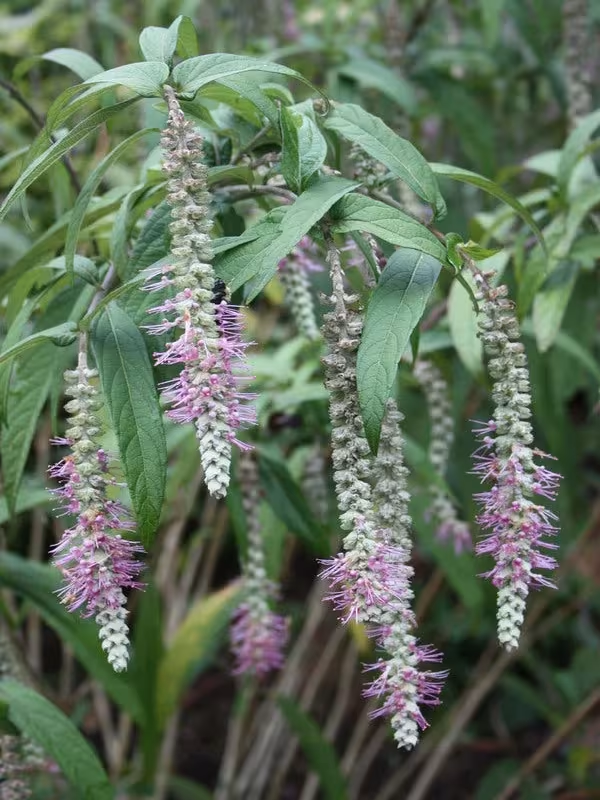
Rostrinucula dependens is a deciduous shrub belonging to the Lamiaceae family. It is native to the mountainous regions of China, where it thrives in sheltered habitats. The plant is botanically recognized for its unique, drooping inflorescences that provide distinct aesthetic value.
Cultivation requires specific soil conditions, prioritizing well-drained, fertile loams. The plant is sensitive to waterlogging; therefore, maintaining an airy, well-structured soil profile is essential for preventing root rot and ensuring long-term health.
In terms of climate, Rostrinucula dependens prefers temperate zones with moderate humidity. It requires protection from harsh, drying winds and direct, intense sunlight during the peak summer hours, which can cause significant foliar distress.
Agricultural management involves regular pruning to maintain the plant's shape and encourage more robust branching. Periodic fertilization with organic matter during the active growth phase helps support the development of its elaborate floral displays.
Its primary use is in ornamental landscaping. It is highly sought after by horticulturists for its cascading growth habit, making it an excellent choice for rock gardens, specimen planting, or as a focal point in specialized collection gardens.
Main diseases and pests
The primary threats to this species are soil-borne pathogens and fungal infections typically caused by excessive moisture levels. Proper site selection that ensures good air circulation is the most effective preventative measure against these issues.
Insect pests, particularly aphids and spider mites, can infest the foliage, especially under stress conditions. Integrated pest management, including regular inspection and the use of targeted biological or chemical controls, is recommended for maintaining plant vigor.