
Rondeletia strigosa
Rondeletia strigosa
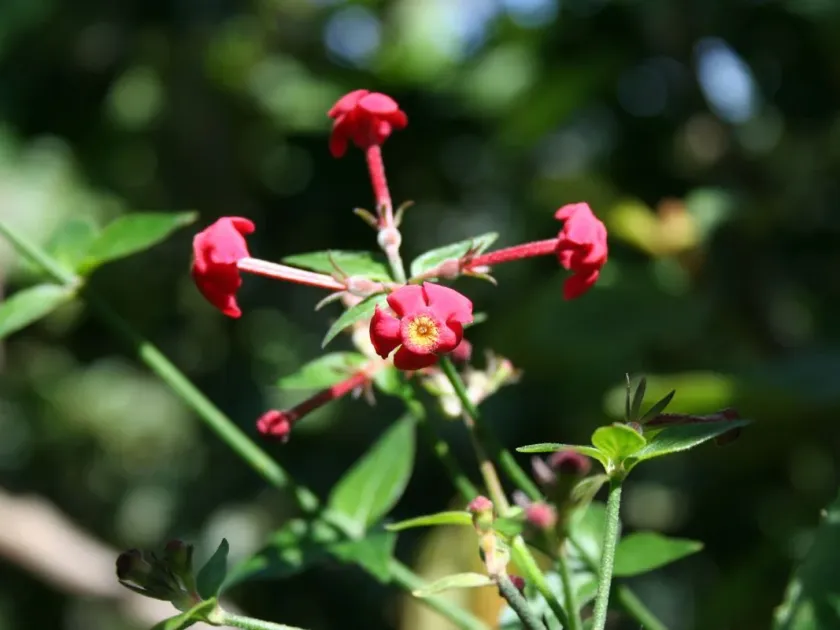
Description
Growing requirements
Rondeletia strigosa is an evergreen shrub belonging to the Rubiaceae family, native to the tropical landscapes of Central and South America. It is prized in horticultural circles for its unique, hairy foliage and dense clusters of vibrant, tubular flowers that emerge throughout the growth season.
For successful cultivation, this species requires a warm and stable environment. It thrives best in temperatures between 18°C and 25°C, as sudden drops in temperature can cause stress and premature leaf drop. Protecting the plant from cold drafts is essential for healthy development.
The soil structure must be porous and well-draining to prevent the accumulation of excess water. A mix consisting of peat moss, pine bark, and perlite provides the ideal acidity and aeration necessary for the plant's delicate root system to flourish without rotting.
Maintaining high humidity levels is crucial for this tropical shrub, especially during the warmer months. Regular misting or the use of humidity trays can significantly improve the growth rate and flowering success of the plant in indoor or greenhouse settings.
Light requirements involve bright, indirect sunlight to ensure the plant retains its compact form. While it enjoys a high light intensity, direct exposure to harsh afternoon sun can bleach the leaves and damage the plant's aesthetic appearance over time.
Main diseases and pests
Spider mites are the most common pests that affect Rondeletia strigosa, particularly when air humidity is low. These tiny insects can quickly drain the plant's vitality, leading to discolored and stunted leaves if not treated promptly.
Root rot remains the most significant threat to the plant's survival, primarily resulting from overwatering or inadequate soil drainage. It is important to allow the top layer of the substrate to dry slightly before applying more water to the root ball.
Scale insects can also pose a risk to the shrub's stems and leaves. Regular physical inspection of the plant and the application of horticultural oils or systemic insecticides are effective measures to control and eliminate infestations before they spread.
Nutrient deficiencies, specifically iron chlorosis, can manifest as yellowing leaves while the veins remain green. This is typically corrected by adjusting the pH level of the soil and providing chelated iron supplements to the watering routine.
Consistent sanitation and pruning practices help mitigate the risk of fungal infections. By removing dead or crowded branches, the gardener improves airflow through the foliage, which reduces the likelihood of moisture-loving pathogens establishing themselves.