
Rondeletia odorata
Rondeletia odorata
Description
Growing requirements
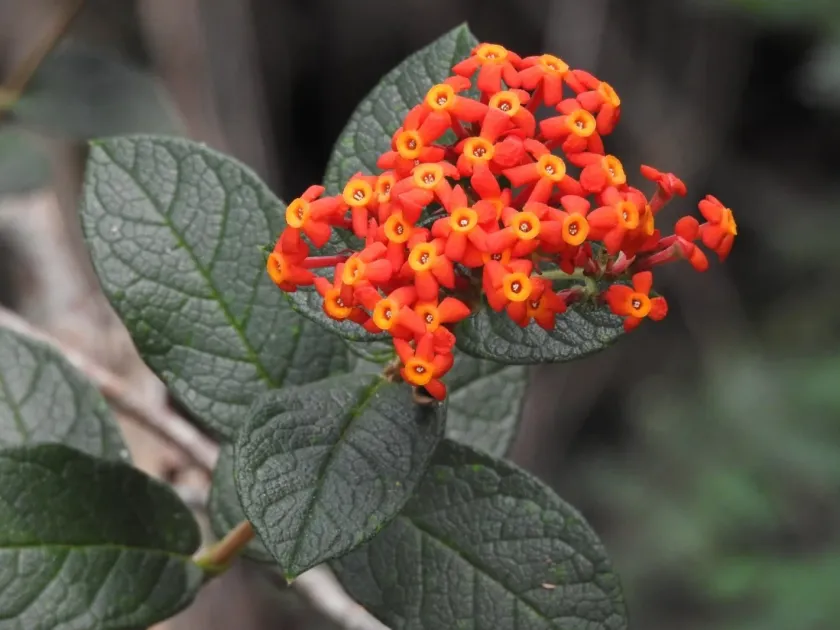
Rondeletia odorata is an evergreen shrub belonging to the Rubiaceae family. Native to the Caribbean, particularly Cuba, it is prized for its vibrant, fragrant flowers that bloom in clusters.
As a tropical plant, it demands high temperatures, ideally between 20°C and 25°C. It cannot withstand frost, making it suitable primarily for greenhouses, conservatories, or as a container plant in temperate regions.
Light requirements are strict: the plant needs bright, filtered sunlight to thrive. Direct exposure to the intense midday sun can scorch the leaves and damage the inflorescences, so location is critical.
The growing medium must be well-draining, acidic, and rich in organic matter. A mixture of peat, perlite, and high-quality potting soil provides the necessary structure to prevent root suffocation.
High relative humidity is essential for the healthy growth of Rondeletia odorata. Regular misting, the use of pebble trays, or automated humidifiers help to simulate its native tropical forest environment.
Main diseases and pests
Spider mites are the most common pest, especially in dry indoor conditions. They feed on plant sap, causing stippling and webbing on the foliage, which can lead to premature leaf drop if untreated.
Mealybugs are also frequently encountered, clustering in leaf axils and stems. They produce a white, waxy substance that protects them and makes manual control or insecticide application difficult.
Whiteflies can infest the undersides of leaves, weakening the plant by sucking out nutrients. Yellow sticky traps and horticultural oils are often used to manage these populations without excessive chemical use.
Root rot is a severe threat caused by overwatering or poor drainage. Once the roots are damaged, the plant struggles to uptake nutrients, often leading to sudden wilting and eventual death of the specimen.
Proper sanitation and regular inspection are the best defenses against infestations. Removing infested parts promptly and maintaining stable environmental conditions greatly improve the plant's natural resistance to pests.