
Romulea sabulosa
Romulea sabulosa
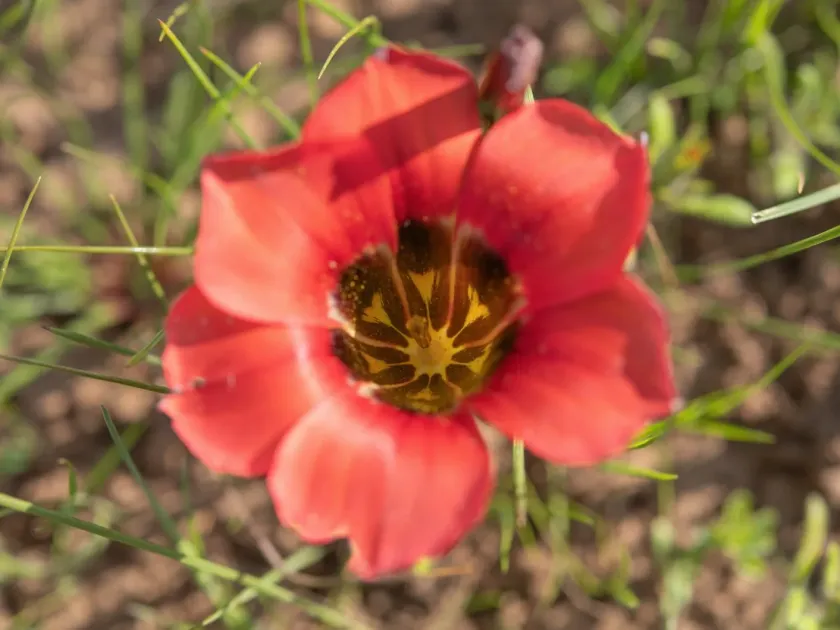
Description
Sowing dates
Romulea sabulosa is a charming member of the Iridaceae family, naturally occurring in specific ecological niches that require careful attention to detail.
The sowing process is typically carried out in autumn, using a well-draining, gritty soil mix that allows for optimal root development and gas exchange.
Seeds should be covered lightly with a thin layer of substrate and kept in a cool environment to mimic the natural germination cycle of the species.
Successful germination relies heavily on moderate moisture levels, avoiding excessive water that could trigger seed rot before sprouting.
Once seedlings emerge, it is critical to provide ample light to prevent etiolation and ensure the growth of strong, healthy foliage.
Growing requirements
Native to the sandy landscapes of South Africa, Romulea sabulosa thrives in environments with bright sun and excellent soil drainage.
It is crucial to replicate its natural cycle: active growth occurs during the cool, moist months, followed by a strict dry dormant phase in the summer.
The plant performs best in a mineral-rich, poor soil structure, as high-nutrient soils often lead to excessive leaf growth at the expense of floral display.
Pot cultivation is recommended for many gardeners, as it allows for precise control over watering cycles, which is essential to prevent bulb decay.
Ventilation is a key factor; stagnant air in combination with humidity is the primary cause of decline for this species in non-native climates.
Main diseases and pests
The most common threat to Romulea sabulosa is root and bulb rot, which is almost invariably caused by overwatering or inadequate soil drainage.
Pests such as aphids and spider mites can occasionally affect the foliage, particularly if the plant is stressed by poor environmental conditions.
Fungal infections can spread rapidly in humid conditions, necessitating the use of systemic fungicides or strict quarantine measures for infected pots.
Gardeners should monitor the plants closely during the transition from the growing season to the dormant phase to ensure bulbs are hardening off properly.
If rot is detected, it is often necessary to remove and destroy the infected bulb and the surrounding soil to protect the rest of the collection.