
Romulea revelieri
Romulea revelieri
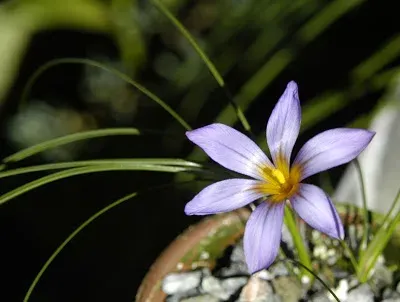
Description
Growing requirements
Romulea revelieri is a delicate bulbous perennial belonging to the Iridaceae family. It is a specialized species prized by botanical collectors for its unique adaptation to the Mediterranean climate, where it thrives in rocky, well-drained soils.
This species is native to specific islands in the Western Mediterranean region. Its growth pattern is that of a classic ephemeral, where it remains dormant during the hot, dry summer months and initiates vegetative development and flowering during the cool, rainy autumn and winter seasons.
The successful cultivation of Romulea revelieri demands strict adherence to its natural growing conditions. It requires a substrate composed of a high percentage of grit, sand, and small pebbles to ensure rapid drainage, as the bulb is highly prone to rot when exposed to excessive moisture.
Exposure to full sun is essential for the healthy development of the plant. In a controlled greenhouse or outdoor garden setting, the plants should be positioned where they receive maximum light intensity to ensure the bulb develops sufficient energy for the next growth cycle.
Minimal fertilization is required for this species. Over-fertilization, particularly with high-nitrogen compounds, leads to succulent, fragile growth that is prone to physiological disorders and increases the plant's susceptibility to various pathogens.
Main diseases and pests
The most significant threat to Romulea revelieri is fungal decay, particularly rot caused by Fusarium species. This often occurs when soil moisture levels remain too high, creating a favorable environment for opportunistic pathogens to infect the bulb tissues.
Pests such as bulb mites are a persistent problem in collection settings. These microscopic organisms burrow into the bulb, causing structural damage that serves as an entry point for secondary bacterial and fungal infections, leading to rapid plant decline.
Aphids can frequently target the succulent foliage during the early stages of the growing season. While their direct damage is usually minimal, they are vectors for various plant viruses which can lead to stunted growth and permanent damage to the collection.
Preventative measures are essential in maintaining a healthy crop. This includes utilizing sterile potting media, avoiding overcrowding, and ensuring adequate air circulation to prevent the buildup of humidity on the foliage.
If an infestation is detected, immediate removal of the affected specimen is necessary to prevent the spread of the pathogen. Maintaining a dry storage environment during the summer dormancy is the most effective cultural practice to suppress pest populations.