
Romulea requienii
Romulea requienii
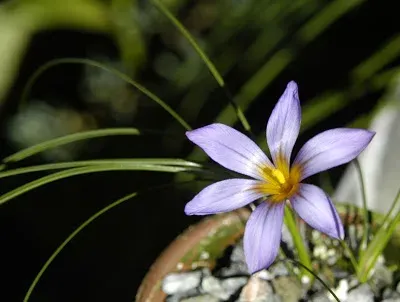
Description
Growing requirements
Romulea requienii is a perennial bulbous plant belonging to the Iridaceae family. This species is native to the Mediterranean region, specifically found in the rocky and sandy terrains of Corsica and Sardinia, where it thrives in natural, well-drained environments.
The plant requires full sun exposure to flourish. It has adapted to a Mediterranean climate, characterized by cool, moist winters during the active growing season and hot, dry summers that trigger the plant's dormancy period.
Regarding soil requirements, Romulea requienii demands excellent drainage. In garden settings, it is best planted in sandy or gritty substrates that prevent moisture accumulation, which can quickly lead to the decay of the small bulbs.
Cultivation should mimic its natural habitat. During the winter and early spring, plants should receive moderate irrigation, but once the foliage starts to yellow after flowering, all watering must cease to allow the bulbs to ripen properly for the next season.
As for temperature, this species is not frost-tolerant. In regions with freezing winters, it is highly recommended to grow Romulea requienii in containers under glass or in specialized greenhouses to maintain optimal temperatures and protect the plant from harsh conditions.
Main diseases and pests
The primary threats to Romulea requienii are fungal pathogens, specifically those causing bulb rot. These conditions are almost exclusively triggered by overwatering or soil that lacks proper porosity, leading to rapid deterioration of the root system.
Pests such as thrips and spider mites can occasionally affect the plants, especially when grown in greenhouses where humidity levels might be too low. Regular monitoring of the foliage is essential to detect early infestations before they spread.
Prevention is key in managing the health of this delicate bulb. Using sterilized soil mixes and ensuring adequate spacing between plants can significantly reduce the pressure from soil-borne pathogens and improve air circulation.
Poor lighting conditions are another major factor weakening the plant. Insufficient sunlight makes the stems thin and fragile, significantly reducing the plant's natural resistance to diseases and interfering with the development of its distinctive blue-purple flowers.
For those involved in cultivation, a proactive strategy involving fungicide treatments at the time of planting is recommended. This creates a protective barrier around the bulb and helps ensure a successful blooming cycle without losses.