
Romulea ramiflora
Romulea ramiflora
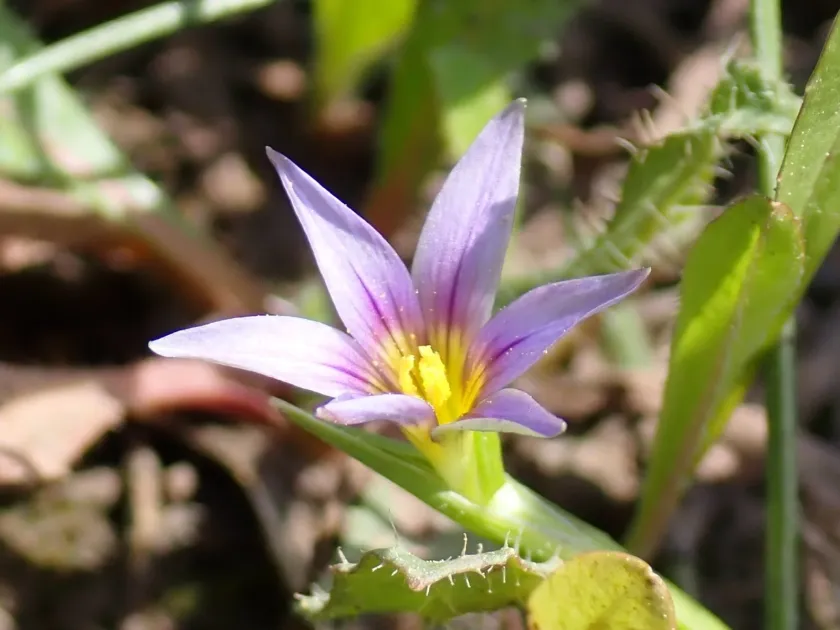
Description
Sowing dates
Romulea ramiflora is a fascinating bulbous perennial belonging to the Iridaceae family. It is primarily found in Mediterranean climates, where it exhibits a typical ephemeral growth cycle, flourishing during cool and wet seasons.
Seeds should be sown in the autumn, mirroring the natural cycle of the species. Proper cold stratification is often beneficial for achieving high germination rates, ensuring that the seeds are prepared for the coming spring season.
When planting bulbs, a depth of 5 to 8 centimeters is recommended. Adequate spacing is necessary to prevent competition for nutrients and to allow for the development of offsets, which are vital for plant propagation.
The substrate for sowing must be well-draining, such as a sandy or gritty mix, to ensure that the delicate root systems remain healthy and do not suffer from waterlogging during the germination phase.
Growth activity typically begins in late winter. During this time, the plant produces narrow, grass-like leaves, followed by short-lived but beautiful flowers that are characteristic of the genus Romulea.
Growing requirements
Full sun is a critical requirement for this species. Without sufficient solar exposure, the plant will fail to produce flowers and its physiological development will be severely stunted, leading to weak foliage.
The soil must be well-aerated and lean, reflecting the poor, rocky soils of its natural Mediterranean habitat. Avoid heavy clays or soils high in organic matter, as these tend to trap moisture excessively.
Watering must be carefully managed. Provide water during the active growing season, but allow the soil to dry out completely during the summer dormancy period to prevent bulb rot, a common fatal condition.
The plant thrives in Mediterranean-type climates with mild, wet winters and hot, dry summers. In temperate regions, it is best suited for cultivation in cold frames or greenhouses where conditions can be controlled.
Good air circulation is essential for the health of Romulea ramiflora. In indoor or greenhouse settings, ensure there is constant airflow to prevent the buildup of humidity around the base of the plant.
Main diseases and pests
The primary threats to this plant are fungal pathogens, specifically those causing bulb and root rots. These diseases are almost always linked to poor drainage or overwatering during the dormancy period.
Pests such as bulb mites and thrips can cause significant damage to both the foliage and the corms. Regular monitoring is necessary to detect these small pests before they inflict widespread damage to the collection.
Gastropods like slugs and snails are highly attracted to the fresh, succulent spring growth. Protective measures such as barriers or organic traps should be used in areas where these pests are prevalent.
Viral infections can cause stunted growth and mottling of the leaves. Since there is no cure for such infections, the only effective method of control is the immediate removal and disposal of the affected plants.
Improper cultivation techniques, such as planting in compacted soil or insufficient light exposure, weaken the plant's natural defenses, making it much more susceptible to opportunistic diseases and pest infestations.