
Romulea pudica
Romulea pudica
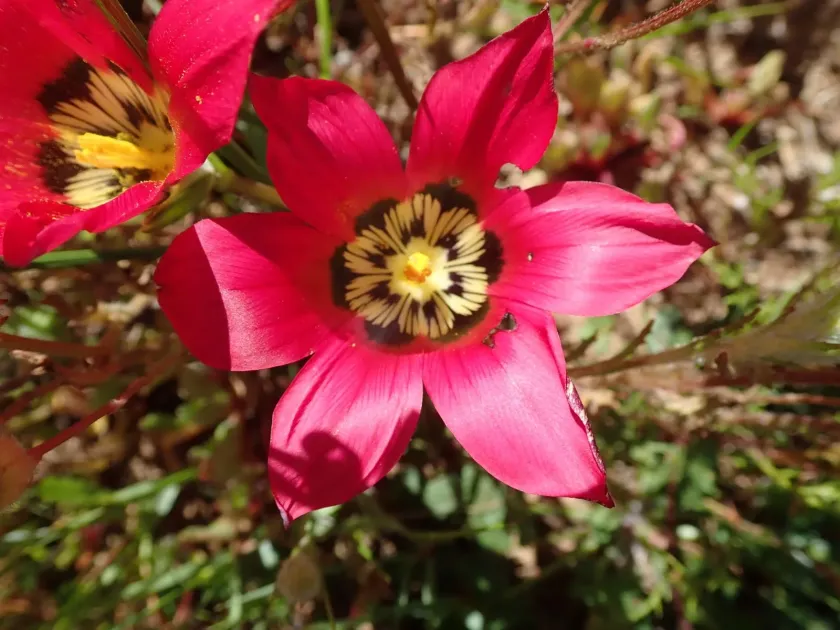
Description
Sowing dates
Romulea pudica is a fascinating member of the Iridaceae family, originating from regions with specific climatic conditions. As a bulbous plant, its successful cultivation depends heavily on the timing and method of bulb installation.
The ideal planting window for bulbs is late summer to early autumn. This timing allows the plant to establish a healthy root system in the cool soil before the winter dormancy period begins, ensuring robust growth in the spring.
When propagating via seeds, sowing should occur in controlled environments such as greenhouses. Seeds require a specific stratification process to break dormancy and ensure uniform germination across the tray.
Planting depth is a critical factor for the long-term health of Romulea pudica. Bulbs should be placed at a depth of 5 to 8 centimeters, depending on the texture and drainage capacity of the soil substrate.
Spacing should be managed to prevent overcrowding, which promotes humidity and disease. A distance of 10 centimeters between plants is generally recommended for optimal airflow and resource access.
Growing requirements
Native to the Cape region of South Africa, Romulea pudica thrives in environments that mimic its natural habitat. It requires full sun exposure for several hours each day to trigger the blooming process effectively.
Soil structure is paramount for this species. It demands light, well-draining, sandy or loamy soils to prevent the bulbs from sitting in water, which inevitably leads to rot and plant loss.
Temperature regulation is essential for cultivation. While it can withstand mild cool spells, it is not frost-hardy, necessitating protective measures in cooler climates or cultivation in movable containers.
Watering requirements follow a seasonal pattern. Moderate hydration is needed during the growth phase, but the soil must be allowed to dry out significantly during the summer dormancy period to ensure bulb survival.
Minimal fertilization is required for this species. Over-fertilization, especially with nitrogen-rich compounds, leads to excessive foliage growth at the expense of flower production and can weaken the plant.
Main diseases and pests
Root rot and bulb rot are the most significant threats to Romulea pudica. These are typically caused by fungi like Pythium or Phytophthora when soil drainage is insufficient or irrigation is excessive.
Pests such as thrips and spider mites often target the foliage during warm and dry periods. If left unchecked, these insects can sap the energy from the plant, leading to stunted growth or poor flowering performance.
Viruses transmitted by aphids can result in mosaic patterns on the leaves and stunted development. Once infected, plants cannot be cured and should be removed from the area to protect healthy specimens.
Regular monitoring of the planting site is essential. Early detection of symptoms allows for targeted interventions using appropriate horticultural sprays or biological control agents.
Sanitation practices, such as removing debris and weeds around the plants, are highly effective in reducing the habitat for potential pests and soil-borne pathogens.