
Romulea pratensis
Romulea pratensis
Description
Growing requirements
Romulea pratensis is an elegant perennial cormous herbaceous plant belonging to the Iridaceae family, known for its unique aesthetic value in specialized gardens.
Originating primarily from South African landscapes, this plant has evolved to survive in specific climatic zones characterized by distinct dry and wet cycles.
Cultivation requirements involve well-drained, porous soils with a neutral to slightly acidic pH to prevent the corms from rotting during the dormant phase.
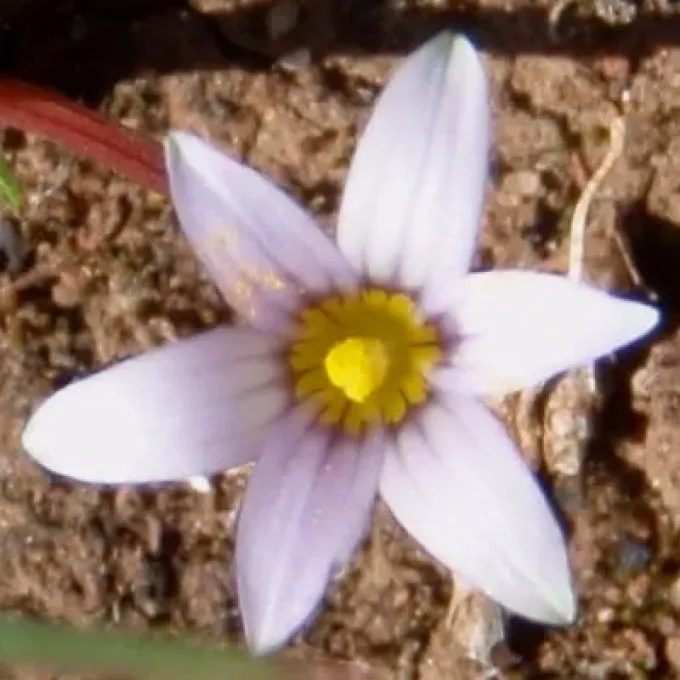
Sunlight exposure is a critical factor for Romulea, as it requires full sun to stimulate the opening of its delicate, funnel-shaped flowers during the spring season.
Due to its native origin, the plant is sensitive to frost, requiring winter protection or indoor cultivation in containers to ensure the longevity of the corms throughout the year.
Main diseases and pests
Fungal diseases constitute the primary threat to the health of Romulea pratensis, particularly root rot, which is triggered by excessive soil moisture and poor aeration.
To mitigate disease risks, gardeners must strictly manage the watering schedule and ensure that the substrate remains permeable and light throughout the growing cycle.
Insect pests, including thrips and spider mites, represent a consistent risk to the plant's foliage, especially in greenhouse or indoor environments with low humidity.
Effective management includes regular monitoring and the application of targeted insecticides as soon as the first signs of infestation become apparent.
Preventive care involving proper spacing and clean cultivation practices is essential to maintain the vitality and structural integrity of the plantings.