
Romulea phoenicis
Romulea phoenicis
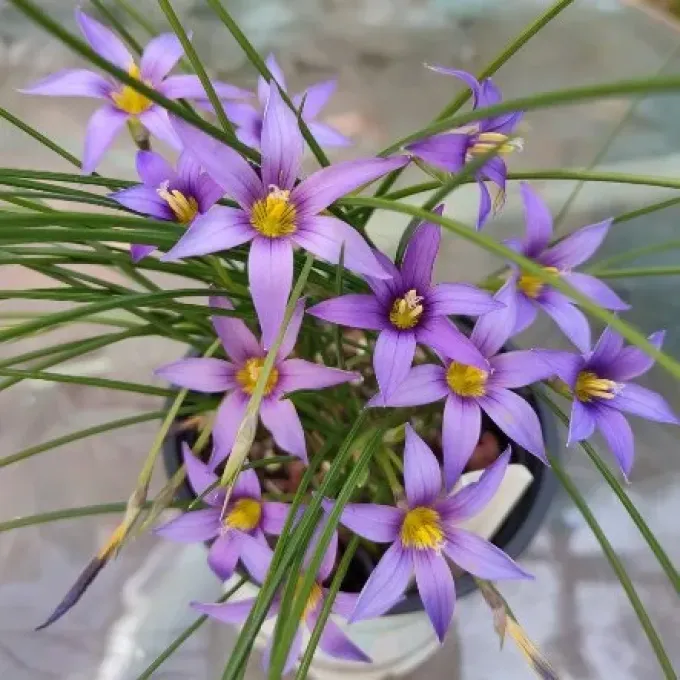
Description
Growing requirements
Romulea phoenicis is a perennial bulbous plant belonging to the Iridaceae family. As an ephemeral, it has adapted to specific Mediterranean-like climatic conditions, displaying its foliage and flowers during the cooler months of the year.
Native to specific regions of the Middle East, the plant thrives in well-lit, open environments. Its natural habitat is characterized by distinct seasons, requiring full sun exposure to trigger flowering and the subsequent maturation of the corm.
Soil requirements for Romulea phoenicis focus on drainage and texture. The ideal growing medium is sandy or gritty, ensuring that water passes through quickly to prevent stagnation and root damage, which is critical for the survival of the corms.
Climatic adaptability is limited to regions with mild winters and hot, dry summers. In climates that do not match these conditions, the plant is typically grown in pots or cold frames to control moisture levels during the dormant phase.
In horticultural practice, this species is highly valued for rock gardens and borders. Its small but vivid flowers add significant ornamental value to arid garden designs, provided that the soil conditions are strictly maintained.
Main diseases and pests
The primary threats to the cultivation of Romulea phoenicis involve fungal infections triggered by improper soil moisture. Botrytis and various Fusarium species are the most common pathogens causing corm rot.
Pests such as bulb mites and aphids can pose a significant challenge, especially in concentrated nursery plantings. Damage to the corm tissue often provides entry points for secondary bacterial and fungal infections.
Effective management requires a proactive approach, including the use of systemic fungicides during the planting stage and careful monitoring of the moisture levels in the soil during the plant's dormant period.
Crop rotation and hygiene in the garden are essential practices. Removing and destroying any infected plant material immediately prevents the spread of pathogens to healthy neighboring specimens.
Maintaining a dry environment during the summer dormancy is the most important factor in keeping the corms free from pests and diseases. If managed correctly, the plant remains highly resistant to local stressors.