
Romulea minutiflora
Romulea minutiflora
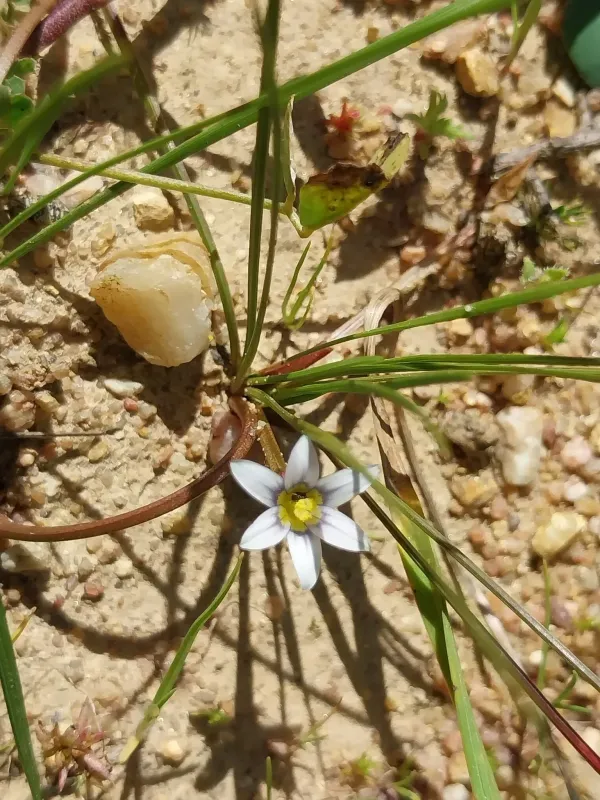
Description
Sowing dates
Romulea minutiflora is a charming member of the Iridaceae family, naturally occurring in Mediterranean-type climates. Sowing should be performed in autumn to align with the species' inherent winter-growing cycle.
To ensure successful germination, seeds should be sown in a high-drainage sandy soil mix. Using a substrate consisting of coarse grit and loam helps prevent seedling damping-off.
The seeds require light coverage, usually about 5–8 mm deep. Keeping the sowing tray in a cool environment during the initial stages is crucial for simulating the natural winter conditions these plants prefer.
Seedling growth is inherently slow, necessitating a patient approach. Once the first cormlets are fully formed, usually by the end of the first year, they can be carefully transplanted into larger pots.
Vegetative propagation via offsets is the most reliable way to maintain the purity of the stock and accelerate the production of flowering-sized bulbs compared to seed cultivation.
Growing requirements
This species thrives in open, sunny locations with direct sunlight exposure being essential for both foliage health and the initiation of the blooming phase. Shady conditions will inevitably result in weak growth.
The soil must be well-drained and alkaline to neutral. In garden settings, soil modification with additional drainage material is mandatory to prevent corm rot caused by water stagnation.
The climate must mirror a dry, hot summer followed by a moist, cool autumn and winter. The plant is not frost-tolerant and requires protection in colder regions or cultivation in greenhouses.
Watering management is the most critical technical aspect. The substrate should be kept moist throughout the winter growing season but allowed to dry out completely during the summer dormant period.
Optimal growth requires careful monitoring of the ambient temperature, ensuring the plants do not experience extreme heat during their vegetative phase, as this disrupts their physiological development.
Main diseases and pests
Fungal pathogens remain the most significant threat to Romulea populations. Improper watering regimes leading to poor aeration in the root zone are the primary triggers for disease outbreaks.
Insects such as bulb mites can cause significant damage to the corm structures, often remaining undetected until the plant shows signs of sudden decline. Regular inspection is advised.
- Basal rot (Fusarium spp.).
- Gray mold (Botrytis cinerea) in humid conditions.
- Root aphids.
- Slugs and snails targeting young spring growth.
Integrated pest management strategies should focus on preventive measures, such as soil sterilization and ensuring adequate ventilation in growing areas to minimize the risk of infection.
Early identification of symptomatic plants is vital for saving the remaining collection, as fungal and bacterial infections spread rapidly in dense cultivation setups.